Skip to content
Yes4 Northeast LivingA concierge’s notebook
Directory

The key rack

  1. 01Entertainment
  2. 02Tech
  3. 03Household
  4. 04Lifestyle
  5. 05–06Travel & Food

  6. 07–08Occasions

  7. 09–10Tips & Guides

  8. 11–12Sport & Social

House pages

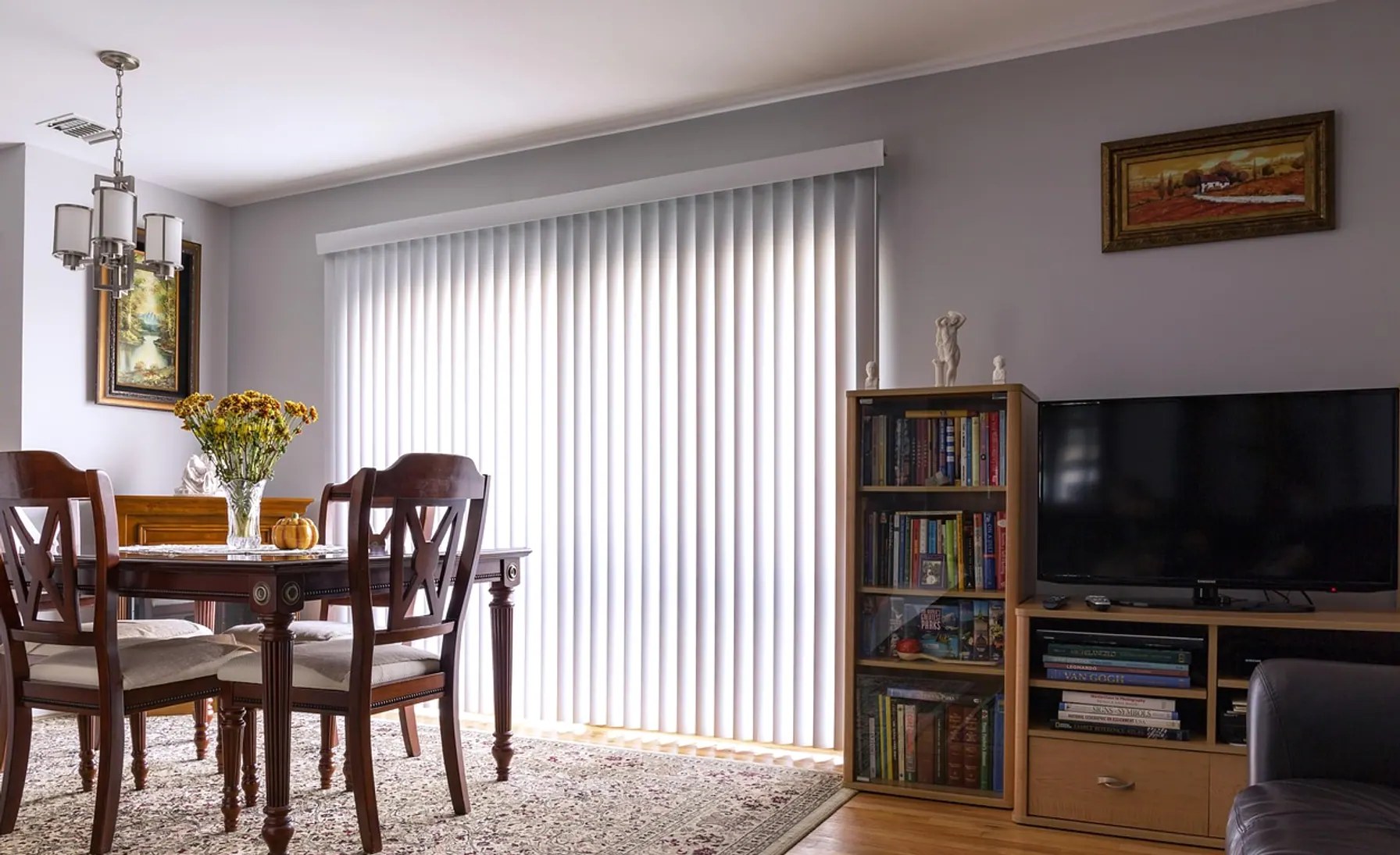
Home interior, vertical blinds and sliding door
Key 01Entertainment

Good to see you

Good evenings in, better days out

Yes4 Northeast Living gathers practical notes for the hours you spend on your own sofa and the days you spend as someone's guest: a living room that streams without fuss, a house that stays comfortable, a temple visited politely, a sushi counter enjoyed without nerves and a wedding outfit that fits the invitation.

Latest notes in
How to Pack a Suit in a Carry-On Without Creasing It 08
What to Wear to a Beach Wedding: Fabrics, Footwear and Colours by the Sea 08
Singapore Hawker Food: Classic Dishes to Order on a First Visit 06

Pick a key

Each key opens one topic; the tag says how many notes wait inside.

  1. 01Entertainment

    19 guides

    Most recentHow to Host a Watch Party at Home for the Big Game

  2. 02Tech

    9 guides

    Most recentUnlocking New Research Possibilities with Serine Protease Antibodies

  3. 03Household

    12 guides

    Most recentHow Professional Deck Building Contractors Bring Outdoor Living Dreams to Life

  4. 04Lifestyle

    10 guides

    Most recentVisiting a Buddhist Temple Respectfully: Dress, Behaviour and Small Courtesies

  5. 05Travel

    9 guides

    Most recentHow to Pack a Suit in a Carry-On Without Creasing It

  6. 06Food

    4 guides

    Most recentSingapore Hawker Food: Classic Dishes to Order on a First Visit

  7. 07Events

    8 guides

    Most recentWhat to Wear to a Beach Wedding: Fabrics, Footwear and Colours by the Sea

  8. 08Fashion

    5 guides

    Most recentHow to Pack a Suit in a Carry-On Without Creasing It

  9. 09Tips

    9 guides

    Most recentSmart Silhouettes: How Dresses With Built-In Shapewear Streamline Fit and Comfort

  10. 10Guide

    6 guides

    Most recentTennis String Tension Explained: Tighter, Looser and When to Restring

  11. 11Sports

    4 guides

    Most recentTennis String Tension Explained: Tighter, Looser and When to Restring

  12. 12Social media

    4 guides

    Most recentQR Codes and Shared Albums: How to Collect Photos From Wedding Guests

66
articles
12
topics
3
min average read
2023–2026
years covered

Sing Your Heart Out: Exploring the Fun Karaoke Scene in Magok-Balsan

Being a good guest abroad often comes down to small gestures, and a karaoke room is full of them. Who chooses first, how the microphone changes hands, whether you clap for a colleague's wobbly high note: none of it is written down, yet everyone notices. For visitors and newcomers spending an evening in Magok-Balsan, a little awareness turns an unfamiliar ritual into one of the warmest parts of a stay in Seoul.

Manners that travel well

Most noraebang etiquette is common courtesy with a soundtrack:

  • Take turns with the remote. Add one song, then pass it along.
  • Listen while others sing. Scrolling through your phone during a friend's ballad is the quickest way to cool the room.
  • Applaud generously. Encouragement counts for more than accuracy here.
  • Join the chorus, not the verse. Backing someone up is kind; drowning them out is not.
  • Mind the corridor. Close the door behind you and lower your voice when stepping out, since other groups are singing next door.

When colleagues invite you along

An invitation to sing after a team dinner is a friendly gesture, and accepting it, even for one song, is appreciated. If the format is new to you, follow your hosts' lead: the most senior person may be offered the first song, and toasts or shared plates may follow a certain order. Not drinking is perfectly fine; a soft drink in hand and a cheerful attitude are all that is needed. When the group is choosing where to go, a quick look at a venue's own page, such as https://salonglendas.com, can help a newcomer feel prepared before arriving.

Style without the fuss

There is no dress code for a song room, but a few choices make life easier. Layers are sensible, because rooms can feel warm once a group is singing while the street outside may be cool. Comfortable shoes are wise if you are likely to stand for the dance tracks. Leave bulky bags at your accommodation; floor space is limited, and a small crossbody bag keeps your phone and travel card within reach.

Leaving on a high note

When the screen shows that time is nearly up, offer the last song to the host or to whoever has sung least. Thank your hosts before you go, and if they paid, offer to cover coffee or a round another time. Check the time of the final train together, share taxis with people heading the same way, and never get behind the wheel after drinking. Graciousness, as it turns out, is the one talent a karaoke room rewards more than a good voice.

Unlocking New Research Possibilities with Serine Protease Antibodies

Blood clotting, digestion, hormone processing, receptor signalling: serine proteases turn up in all of them. They cut fibrinogen during clotting, digest proteins in the gut, activate signalling receptors, process hormones and reshape the scaffolding between cells. Because so many family members share a similar catalytic core, telling them apart in a sample is a genuine technical problem, and that is where carefully chosen antibodies earn their place on the bench.

The specificity problem

The family takes its name from the catalytic serine that does the cutting, and many of them look alike at the sequence and structural level. Activity assays can confirm that something in a lysate is cleaving a substrate, but they often cannot say which enzyme is responsible. Most members are also synthesised as dormant precursors that need processing before they act, so the presence of the protein does not automatically mean the presence of activity.

Antibodies that recognise a single family member, or that distinguish a pro-form from an active form, let researchers pin observations to a specific protein. Paired with functional readouts, they turn a vague signal into a testable statement about one enzyme in one tissue.

Kallikreins as a case study

The kallikrein-related peptidases illustrate both the promise and the difficulty. This group of closely related serine proteases has been studied in skin barrier biology, inflammation, neurobiology and several areas of cancer research, and individual members are expressed in distinct tissues and fluids. Because the family members resemble one another, well-characterised kallikrein antibodies give laboratories a practical way to follow a single peptidase across samples, compare expression between conditions and pursue biomarker questions with more confidence.

Pairing each antibody with its technique

An antibody that performs beautifully in one technique may disappoint in another, so it pays to think about the application from the start:

  • Western blotting shows molecular weight, which helps separate zymogen and processed forms.
  • Immunohistochemistry and immunofluorescence reveal where a protease sits within a tissue or cell.
  • ELISA supports quantitative comparisons in serum, culture media or other fluids.
  • Immunoprecipitation pulls the enzyme out with its binding partners or inhibitors for further study.

A sensible validation routine

  1. Confirm the immunogen and check it against related family members for possible cross-reactivity.
  2. Include positive and negative controls, ideally knockdown, knockout or overexpression samples.
  3. Titrate the antibody for each technique instead of reusing one dilution everywhere.
  4. Record lot numbers and conditions so results can be reproduced later.
  5. Where possible, confirm key findings with a second, independent antibody or method.

None of these steps is glamorous, but together they separate data that holds up from data that has to be repeated.

Opening the next set of questions

As detection tools improve, researchers can move from describing protease cascades in broad strokes to tracing individual enzymes through development, disease models and treatment responses. Antibodies are not the whole story, since activity probes, structural work and genetic models all contribute, but they are still among the clearest tools for showing which protease is present and where. For teams working on proteolysis, investing time in selecting and validating the right reagents is one of the surest routes to clearer answers. These reagents are intended for research use, and any clinical interpretation belongs with appropriately qualified professionals.

Image to SVG Converter Online: A Simple Path to Better Vector Graphics

Stretch a small logo across a shop banner and its edges often turn fuzzy and stepped. The reason is simple: photos and most everyday image files are made of pixels, a fixed grid of coloured squares. Scalable Vector Graphics work differently. An SVG stores shapes as mathematical paths, so a browser or printer can redraw it sharply at any size.

Converting a raster image into vector form used to mean hours of manual tracing in desktop software. Online converters now do most of that work automatically, which makes vectors practical for small shops, bloggers and anyone who simply needs a cleaner version of an existing graphic.

Which images are worth converting

Automatic tracing reads edges and areas of flat colour, then rebuilds them as paths. That means some images convert beautifully and others are better left as they are.

Converts wellUsually better kept as pixels
Logos and wordmarks with solid coloursDetailed photographs of people or scenery
Icons, badges and simple illustrationsImages with soft gradients and fine textures
Hand-drawn sketches on plain paperScreenshots full of small text
Silhouettes and line art for cutting machinesLow-resolution files with heavy compression

The left-hand column covers most of what small businesses and crafters actually need: brand marks, signage graphics, stickers, embroidery outlines and designs for vinyl or laser cutters.

What an online converter does for you

A browser-based tool removes the setup that desktop software requires. You upload a file, adjust a few options such as colour count or detail level, and download the result. A dedicated Image to svg converter keeps the process in one place, which is handy when you need a quick vector version of a logo for a website header or a print shop that asks for scalable artwork.

The benefits go beyond sharpness. A vector logo rarely weighs much, so web pages carrying it stay light and quick, and because they are text-based they can be styled with CSS, animated or edited later without starting again. A single master file can serve a website, a social media avatar and a large printed banner.

A tidy workflow for better results

  1. Start with the cleanest source available. The largest, least compressed version of the image gives the tracer clearer edges to follow.
  2. Simplify before uploading. Crop out backgrounds and remove stray marks so they do not become unwanted shapes.
  3. Limit the palette. Fewer colours usually produce cleaner paths and smaller files.
  4. Inspect the output closely. Zoom in on curves, corners and lettering, where tracing errors tend to appear.
  5. Refine where needed. A free vector editor can smooth a wobbly line or merge shapes that split apart.

Small checks that save time later

Text inside a traced image becomes outlines rather than editable letters, so keep the original font name noted if you may need to change the wording. Check that your file opens correctly in the program or service where it will be used, since cutting machines and print shops sometimes have their own preferences. Finally, only convert artwork you own or have permission to use; vectorising a graphic does not change who holds its rights.

Handled this way, a quick conversion becomes a long-lasting asset: one clean file that stays sharp wherever it appears.

How Professional Deck Building Contractors Bring Outdoor Living Dreams to Life

Most deck projects begin with a picture in someone's head: a table under string lights, a corner for morning coffee, steps leading down to the lawn. Getting from that picture to a structure that feels solid underfoot for many years involves a lot of decisions the homeowner may never see. That hidden work is where a skilled contractor earns their place.

Reading the site before drawing anything

A good builder starts outside, not at a desk. They look at how the ground slopes, where water collects after rain, where the sun falls in the afternoon and which trees drop leaves or shade the area. They also note the doors that will open onto the deck and how people will move between the kitchen, the yard and any existing patio.

These observations shape everything that follows. A deck facing the late sun might need shade planning, while a soggy corner of the yard affects the footings and drainage. Spotting such issues early prevents costly changes once construction is under way.

From wish list to workable plan

Homeowners usually know how they want the space to feel, but not always which size, shape or layout delivers it. Contractors translate those wishes into a plan that balances looks with practicality. That might mean:

  • Splitting a large deck into two levels to create separate dining and lounging zones.
  • Sizing the dining area around the table and chairs people actually own.
  • Placing stairs where they lead naturally to paths or the garden.
  • Planning railings, lighting and built-in benches as part of the design rather than afterthoughts.

Material choice comes up at this stage too. Natural timber has warmth and character, while composite boards need less routine upkeep. A seasoned contractor can describe how both age through wet winters and sunny summers, so the decision is based on maintenance and lifestyle as much as appearance.

Permits, structure and the build itself

Many areas require permits for decks, especially raised ones, and inspections may be needed at certain stages. Professionals are used to these steps and design footings, beams and fastenings to meet the relevant codes. That structural work is invisible once the boards are down, yet it is what keeps the deck safe for family gatherings.

During construction, a well-run crew keeps the site organised, communicates about progress and handles surprises such as hidden roots or uneven ground. Homeowners in the Pacific Northwest searching for a deck builder tacoma will find local teams that combine deck and fence work, which can be convenient when a project includes privacy screening or a new boundary along with the outdoor living space.

After the last board goes down

A finished deck still needs some care. Builders typically explain how to clean the surface, when to reseal timber, and which signs, such as loose boards or wobbly railings, deserve attention. Following that advice keeps the structure looking good and working well.

When the planning, materials and craftsmanship come together, the deck quickly becomes part of daily routines. Breakfasts move outside, friends linger longer and the home gains a room without walls. That is the result most people had in mind from the start, delivered by a team that knew how to get there.

Exploring the Benefits of IPTV for Families Across the Netherlands

Picture a typical Tuesday evening in a Dutch household. One parent wants the eight o'clock news, a teenager is halfway through a series, the youngest has asked for the same cartoon for the third night running, and someone else is hoping to catch an Eredivisie match. A single television with a fixed schedule cannot please everyone. Internet-delivered television, known as IPTV, is built for exactly this kind of home.

One subscription, many routines

With IPTV, the channels and catch-up library travel to your home as data through the same fibre or cable line that carries your email and video calls. That means they can be watched on smart TVs, set-top boxes, tablets, laptops and phones. For a household with several timetables, this is the real gain: the living room screen stops being a battleground, and programmes slot in around school runs, hockey practice and shift work rather than dictating them.

The Netherlands is well suited to this way of watching, with dependable broadband in cities and many rural areas alike. Even so, it is worth checking your own connection speed and Wi-Fi coverage upstairs before deciding how many screens will stream at once.

What helps parents most

  • Personal profiles mean the teenager's thrillers never crowd the toddler's home screen.
  • Parental controls and PIN locks restrict channels or age ratings on children's devices.
  • Replay and pause let a family dinner run long without missing the start of a show.
  • Multi-room viewing allows different programmes on different screens simultaneously.
  • Dutch-language and subtitled content supports younger children and family members learning the language.
  • Cloud recording saves programmes without a box full of hard drives.

Choosing a service

Many Dutch parents begin their comparison by typing IPTV kopen into a search bar, which leads to a range of packages built around channel line-ups, sports coverage and the number of devices allowed. A sensible way to compare them is to list what each family member actually watches, then check which offers cover those channels and apps without paying for bundles nobody uses.

A short checklist helps keep the comparison practical:

  1. Can you test the picture at home first, through a free week or a monthly plan?
  2. Does it work with the television and tablets you already own?
  3. How many screens may stream simultaneously on one account?
  4. Are parental controls easy to set up and change?
  5. Is customer support available in Dutch and at convenient hours?

One more point belongs on every family's list: go with a licensed provider whose channel rights cover viewers in the Netherlands. Properly licensed services tend to run more reliably, and the subscription money reaches the studios and broadcasters behind the shows your children love.

Making it work at home

A few small habits get the most out of a new setup. Put the router somewhere central, or add an extra access point close to the main television, connect the main set-top box by cable where possible, and agree on screen-time rules before the new freedom becomes a new argument. Set up kids' profiles together with the children, so they understand what they can watch and why.

With those basics in place, television becomes something the family shapes rather than something that dictates the evening, whether that means a shared Saturday film night or everyone enjoying their own favourite in a different room.

From Cable to Cloud: Switzerland’s Shift Toward IPTV

For a long time the television in a Swiss living room was defined by the socket in the wall. Cable networks delivered a fixed lineup, and the main decision was which channels sat in the first few slots of the remote. Fast broadband has loosened that link. The picture now arrives as data, and the choice of what to watch, and where, belongs much more to the household.

A country of many audiences

Switzerland has always been a demanding place to programme television. German, French, Italian and Romansh speakers live side by side, many families switch between languages at the dinner table, and plenty of residents also want channels from the country they grew up in. Traditional cable handled this with regional packages, which worked but rarely matched every member of a household.

Internet delivery makes that mix far easier to assemble. A single subscription can run on the lounge television, on a tablet beside the stove and on a commuter's phone between Zurich and Lausanne, with each person picking the language and content they actually want.

How the living room shifted

The move from coaxial cable to cloud-based delivery brought a handful of features that quickly became expected rather than special:

  • Replay and catch-up, so a missed news bulletin or match is still available later in the evening.
  • On-demand libraries that sit next to live channels in one menu.
  • Viewing on several screens without extra set-top boxes in every room.
  • Programme guides that can be searched instead of scrolled through.

Providers such as IPTV Suisse focus on bringing this kind of flexible lineup to Swiss viewers, with streaming designed around the multilingual way many homes watch. For households used to a set package, browsing that sort of offer is a quick way to see how much more tailored an evening line-up can be.

Practical points before switching

Swiss broadband is generally strong, yet the experience still depends on the home network. Plugging the lounge set straight into the router with a cable heads off most stutters, and newer routers cope better when the whole family streams together. It is also worth listing the channels each person really watches, rather than chasing the biggest number in a brochure.

Look at how the service handles languages in its menus and subtitles, how simple it is to add or remove a device, and whether anyone answers when the picture freezes late on a Sunday. A short trial period, where offered, shows more than any feature list.

Swiss viewers are best served by operators whose broadcasting rights cover Switzerland, since licensed channels tend to stay put rather than vanish mid-season.

Where Swiss television is heading

Coaxial lines will not vanish overnight; plenty of flats will hold on to them simply out of habit and trust. Still, the direction is clear. Viewers want control over timing, devices and language, and internet delivery is built for exactly that. The remote control has not changed much in shape, but what sits behind it now looks very different from the days of the coaxial socket.

Flexible and Functional: Designing with Adjustable Track Lights for Maximum Impact

A single ceiling light treats every corner of a room the same way, and that is rarely what a room needs. One wall holds a print you love, the worktop needs clear light for chopping, and the sofa corner wants something softer for the evening. A rail with movable heads lets one fixture answer all three requests, and it can be re-aimed the day the furniture moves.

Begin with how the room gets used

Before choosing a rail length or counting heads, spend an evening noticing where light is actually missing. Stand where you cook, read or work and look for shadows cast by your own body. Note the objects that deserve attention: a bookshelf, a painting, a plant with an interesting shape. That short list becomes the brief for the whole design.

It also helps to separate three jobs. General light lets people move around safely. Task light falls exactly where hands are busy. Accent light picks out a feature and gives the room depth. A good track layout usually handles the second and third jobs, while a lamp or another fitting supplies the first.

A simple aiming routine

Most of the impact comes from the minutes spent adjusting each head after installation. A slow, methodical pass works better than guessing from the ladder:

  1. Switch off every other light so you only see what the rail is doing.
  2. Point one head at a time and look at the result from where people normally sit or stand.
  3. For artwork, tilt the beam so it strikes the piece at an angle rather than straight on, which reduces glare on glass.
  4. Over a worktop, aim slightly in front of where you stand so your head does not block the beam.
  5. Check the room again with the main light on and soften anything that now feels too strong.

Ideas for different rooms

RoomWhat the heads can doSmall tip
Living roomWash a feature wall, pick out shelves or artWarmer light reads as more relaxed after dark
KitchenLight the prep zone and the hob areaRun the rail parallel to the counter edge
HallwayGraze a textured wall or a row of framesFewer heads, spaced evenly, look calmer
Home officeBounce light off the wall behind the screenAvoid pointing a head straight at the monitor

Shops that specialise in residential track lights tend to offer several head shapes, finishes and rail options, which makes it easier to match the fixture to a modern loft or a more traditional room. Looking at the range side by side is a handy way to judge which profile will sit quietly on your ceiling.

Keeping the result tidy

Movable heads invite tinkering, and a rail can quickly end up with beams pointing in every direction. Decide on a default position for each head and only move them for a reason, such as a new picture or a rearranged desk. Matching the rail colour to the ceiling helps it disappear during the day, while a contrasting black or brass finish can become part of the decor if that suits the space.

Pair the rail with a dimmer if the fittings support one, so the same setup can be bright for cleaning and gentle for a film night. Any new wiring belongs in the hands of a licensed electrician, and that visit is a good moment to confirm the ceiling and circuit can take the rail. With those basics covered, a single run of adjustable heads can change the mood of a room far more than its modest size suggests.

Navigating the Breeze: Sizing Portable Aircon Units for Optimal Performance

A hired cooling unit that is too small runs flat out all afternoon and still leaves people fanning themselves. One that is far too large switches on and off in short bursts, wastes power and can leave the air feeling clammy. Getting the size right is less about guesswork than about a short survey of the room before anything is booked.

Start with a walk around the space

Before talking to any supplier, spend ten minutes in the room you want to cool and write down what you find. The notes do not need to be technical. They simply give whoever supplies the unit enough detail to suggest a sensible capacity.

  1. Measure the floor. Length times width gives the area. For an L-shaped room, split it into two rectangles and add them together.
  2. Check the ceiling. A high or vaulted ceiling means more air to treat than the floor area alone suggests.
  3. Note the windows. Large panes facing the afternoon sun add a lot of heat; blinds or curtains help.
  4. Count people and machines. Every person, laptop, server, oven or set of stage lights adds warmth.
  5. Look for the exhaust route. Find a window, vent or door where the hot-air hose can leave the room.

Reading the capacity rating

Portable units are usually rated in British Thermal Units (BTU) or in kilowatts. The number describes how much heat the machine can pull out of a space over an hour. Manufacturers publish sizing charts that link room area to a suggested rating, and these charts are the best starting point. Treat them as a baseline for an ordinary room, then adjust upwards for the factors on your list.

What you foundEffect on sizing
Strong direct sun for much of the dayStep up a size or plan for shading
Crowd, workshop or busy kitchenAllow extra capacity for body and appliance heat
Tall ceiling or open mezzanineSize for the volume, not just the floor
Shaded room with few occupantsThe chart figure is often enough

Single hose, dual hose and placement

Single-hose models draw room air over the condenser and blow it outside, which can pull warm air in through gaps elsewhere. Dual-hose designs take outside air in through one duct and push it back out through another, which tends to suit larger or leakier spaces. Either way, keep the hose as short and straight as the layout allows, seal the window kit well and leave clear space around the intake grilles. A unit squeezed into a corner behind furniture will never reach its rated output.

Power is the other practical check. Find out what the unit draws and make sure the socket and circuit can carry it, especially if several machines will run at once at an event or in a temporary office.

Why renting makes sizing easier

Hiring rather than buying lets you match the machine to the exact situation, whether that is a marquee for a weekend, a site office for a month or a server room waiting for a repair. A good portable aircon rental service will usually ask about room size, occupancy and heat sources, then recommend a model and help with ducting and setup. Sharing your survey notes speeds that conversation up and makes it far more likely the first unit delivered is the right one.

If the space changes during the hire period, for example more guests than planned or a heatwave arriving, it is worth calling the supplier early. Swapping to a larger unit or adding a second one is usually simpler than struggling on with a machine that cannot keep up.

Small habits that help any unit

  • Close doors and draw blinds before switching on, so the machine is not cooling the corridor or the street.
  • Empty or drain the condensate tank as the instructions describe.
  • Clean or check the filters on longer hires.
  • Turn the unit on a little before people arrive rather than waiting for the room to overheat.

Enliven Your Living Space with Large Digital Photo Frames

Printed photos have a habit of freezing in time. The same holiday snapshot sits on the bookshelf for years until nobody really sees it anymore. A large digital frame changes that rhythm: the wall becomes a rotating gallery of birthdays, hikes, grandparents and last weekend's dinner, and the pictures stored on phones finally get looked at again.

Picking the right spot

Placement decides whether a frame becomes a centrepiece or a gadget nobody notices. A few rooms work especially well:

  • Living room: above a sideboard or on a wall you face from the sofa, at roughly eye level when seated.
  • Hallway: a welcoming first view for guests, as long as there is a socket nearby.
  • Kitchen or dining area: a natural conversation starter during meals.
  • Home office: a gentle reminder of life outside work during long video calls.

Avoid spots facing a bright window, where glare washes out the screen, and think about how the power cable will run. Cable covers painted the wall colour make a big difference to how tidy the result looks.

Features that matter day to day

A big size digital photo frame brings a gallery feel to a room that small desktop models cannot match, and when comparing options a handful of features shape daily enjoyment more than the spec sheet suggests:

FeatureWhy it matters
Screen quality and anti-glare finishSharp, natural-looking photos from across the room
Aspect ratio and auto-rotationPortrait and landscape shots both display without awkward cropping
Wi-Fi and app uploadsFamily members can send pictures from their own phones
Light sensor and sleep scheduleDims at night and switches off when nobody is home
Video and sound controlsShort clips can play, muted or with audio, as you prefer

If photos are uploaded through a cloud service, take a moment to read how images are stored and who can add them. Private family albums deserve sensible sharing settings.

Keeping the slideshow alive

The biggest risk with a digital frame is the same as with a printed one: it slowly turns into background noise. A little curation keeps it interesting.

  1. Create themed albums, such as summer trips, childhood photos or recent family news, and rotate them monthly.
  2. Invite relatives to add pictures, so the display surprises you too.
  3. Remove blurred or duplicate shots; a smaller, better selection feels more like a gallery.
  4. Mix in scanned prints from older albums to bring generations together on one screen.
  5. Adjust the interval between images: slower in calm rooms, a little quicker in busy ones.

A gift that keeps updating

Large frames make thoughtful presents for grandparents or relatives who live far away. Set up the frame and connect it to the shared album before handing it over, so the first switch-on already shows familiar faces. From then on, every new photo sent from a phone appears in their living room, a small, steady way of staying close.

The Growing Popularity of IPTV and What It Means for Viewers

The remote control used to be the most argued-over object in the living room. These days the argument is more likely to be about the Wi-Fi password, which app holds which series, and whether anyone remembered to cancel the free trial. Broadband-based TV is the force behind most of that bickering, and its growing popularity is reshaping what ordinary viewers can expect from an evening on the sofa.

What has actually changed

Three developments pushed internet TV into the mainstream. Broadband got fast enough in most homes to carry live channels without constant buffering. Households filled up with screens, from smart TVs to tablets and the phone in every pocket. And habits shifted: people now assume they can pause, rewind and pick up later on a different device.

Put together, those shifts mean television is less a fixed schedule and more a library you can dip into. Live events still draw people together at a set time, but almost everything else bends around the viewer.

What it means in your living room

For most people the changes are practical rather than dramatic:

  • The bulky decoder is frequently replaced by a built-in smart-TV app or a stick plugged into an HDMI port.
  • Your router becomes as important as your aerial once was, so its placement starts to matter.
  • Each family member can keep a separate profile, watch list and set of recommendations.
  • Catch-up and on-demand libraries reduce the need for recording hardware.
  • Monthly costs depend on the package you choose rather than one fixed bundle.

A broad and international market

One striking result of the trend is how international the market has become. Viewers can find regional channels from home, foreign-language news, niche sport and specialist film collections. In German-speaking countries, a search for IPTV kaufen brings up a wide choice of packages, showing just how many households now shop for television the way they shop for a phone contract.

That variety is welcome, but it also asks more of the viewer. Comparing services takes a little time, and the price tag alone reveals little about whether a package matches how your household watches.

Questions worth asking before you subscribe

A short checklist keeps the decision sensible:

  1. Is the provider licensed where you live? Choose services that hold the rights to what they broadcast and say so openly.
  2. Does it work on your devices? Check compatibility with your television, stick or tablet before paying.
  3. Can you test it? A trial during a busy evening shows how the stream behaves under real conditions.
  4. How easy is it to leave? Clear cancellation terms are a mark of a trustworthy business.
  5. Who answers when it breaks? Responsive support matters most on match nights.

The viewer is in charge now

The biggest shift is one of control. Viewers decide what to pay for, which screen to use and when to watch. That freedom comes with a little homework, but households that spend an hour comparing options usually end up with television that fits their routine far better than the old one-size bundle ever did.

IPTV Explained: More Choice, Smarter Features, Better Picture

For most of the last century, programmes reached the living room by rooftop aerial, satellite dish or a cable socket. Today a growing share of it travels the same way as email and video calls, as packets of data over a broadband line. That shift sounds technical, yet its effects are easy to notice from the sofa: bigger channel guides, programmes that can be restarted, and viewing that drifts out of the lounge onto a tablet propped next to the cooker.

What actually happens when you press play?

Internet Protocol Television, which many viewers know through apps labelled Smart IPTV, sends programmes from a provider's servers to an app on your television, streaming stick or phone. Instead of every channel being broadcast at once, the stream you choose is delivered on request. That is why the same service can offer live channels, a catch-up library and on-demand films side by side: they are all just different streams waiting to be called up.

The app on your device does three jobs. It shows the programme guide, requests the right stream and decodes the video for your screen. A well-designed app makes those steps feel instant; a clumsy one makes even a fast connection feel sluggish.

Why does picture quality vary so much?

Image quality depends on several links in a chain. The provider decides the resolution and compression of each stream, your broadband sets the ceiling for what can be delivered smoothly, and your television determines what can be displayed. A 4K stream on a congested Wi-Fi network may look worse than a well-encoded HD stream over a cable connection.

Simple fixes often help: run an Ethernet lead to the TV or box, keep the router away from thick walls, and avoid large downloads elsewhere in the house during a big match or premiere. Good sound benefits from the same care, particularly if a soundbar is connected.

Which features make a real difference?

  • Restart and pause on live programmes, useful when the doorbell rings at the wrong moment.
  • Catch-up windows that let you watch shows broadcast in previous days.
  • Personal profiles that keep everyone's favourites and history separate.
  • Multi-screen viewing on phones and laptops within the same home.
  • Parental controls with a PIN for certain channels or ratings.

Not every service offers all of these, and some depend on what the channel owners permit, so it pays to check rather than assume.

What should you ask before subscribing?

Start with the basics: which devices are supported, whether two or three people can watch different channels simultaneously and whether there is a trial period. Ask how customer support works and how quickly problems are answered. In German-speaking countries, many people begin their comparison by searching for IPTV kaufen, which brings up package overviews that list channels, device compatibility and contract terms in one place.

Pay attention to how the service handles your account data and payment details, and read the cancellation terms before signing up.

Keeping it fair for everyone

Programmes cost money to make, and the rights to show them are sold country by country. Choosing a service whose licences cover your own country supports the people who create the shows and gives you a service with accountable customer care. With that settled, internet television can offer more choice and more control than the old aerial ever did.

Through the lobby windows

A window onto every room of the house.

The year in four seasons

What each season brings to the house and the suitcase

A loose rhythm for home jobs, trips and celebrations, so the calendar works with you rather than against you.

  • Spring

    Wedding invitations go out, windows get a proper clean and the first outdoor dinner of the year is pencilled in.

  • Summer

    Portable coolers earn their keep, garden parties need a dress code and long trips start with light, breathable layers.

  • Autumn

    Lamps come back on early, the streaming line-up fills with new seasons and the drier months suit safaris in parts of East Africa.

  • Winter

    Match nights on the sofa, cosy lighting, leak checks before the cold snaps and quiet planning for next year's journeys.

Pocket wisdom

Six habits we swear by

Small things, learned at home and on the road, that save a surprising amount of bother.

  1. Carry a light scarf

    It covers shoulders at a temple gate, warms you on a dawn game drive and doubles as a picnic cloth.

  2. Eat the piece straight away

    At a sushi counter, rice is formed warm for a reason; a photo can wait a few seconds.

  3. Reserve a seat like a local

    In a Singapore food hall, a packet of tissues on the table means the seat is taken.

  4. Label the cables

    A strip of tape on each lead behind the television saves ten minutes every time something gets unplugged.

  5. Read the dress code twice

    The invitation, the venue and the time of day together tell you more than a single phrase.

  6. Know where the water shuts off

    Find the main valve before a leak forces you to look for it in a hurry.

Left at the desk for you

Late checkout

Our longest notes, for an unhurried evening.

  1. Quiet, please

    4min read

    How to Pack a Suit in a Carry-On Without Creasing It

    Key 08 · Fashion

  2. Quiet, please

    4min read

    What to Wear to a Beach Wedding: Fabrics, Footwear and Colours by the Sea

    Key 08 · Fashion

  3. Quiet, please

    4min read

    Singapore Hawker Food: Classic Dishes to Order on a First Visit

    Key 06 · Food