How to Host a Watch Party at Home for the Big Game
| Filed | Takes |
|---|---|
| 4 min read |
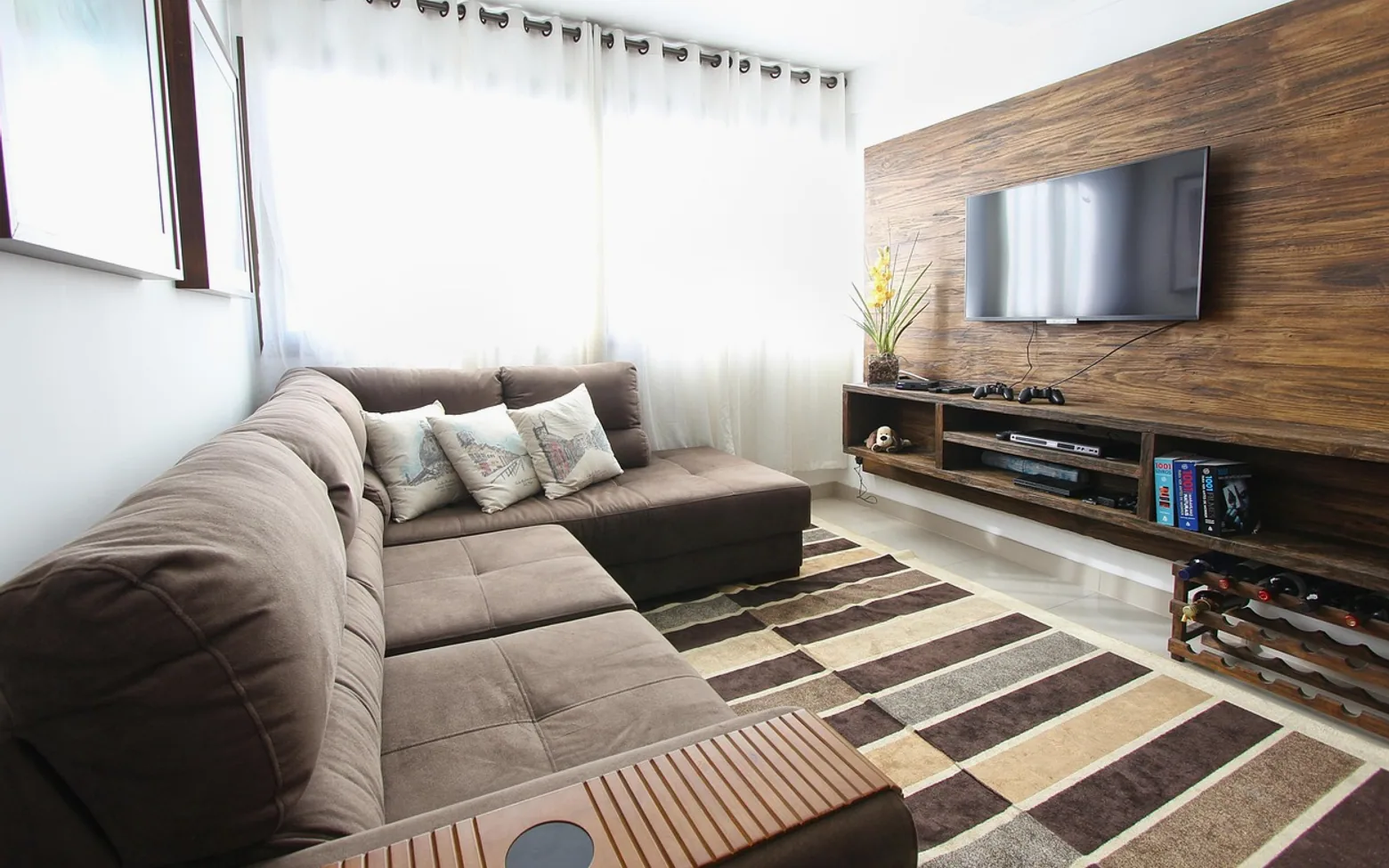
To host a good watch party, you need four things in place before kick-off: a screen everyone can see without craning, sound that carries over conversation, food people can eat with one hand during play, and a rough plan for the breaks. Get those right and the match does the rest, whether it is a cup final, a championship decider or a late-night game from another time zone.
The week before
- Confirm the time in your time zone. International fixtures catch hosts out every season. Put the local kick-off time on the invitation.
- Check who is broadcasting it. Make sure your subscription or channel package actually carries the match, and that the login works on the television you will use.
- Test the connection. If you stream, watch something live on the same set-up at the same time of day to see how it copes. Our explainer on how IPTV works and what it offers covers why a wired connection is often steadier than Wi-Fi.
- Count chairs, not guests. Invite as many people as you can seat with a clear view. Standing is fine for ten minutes, not for two hours.
Screen, light and sightlines
Arrange seating in a loose arc facing the screen, with the best spots kept for the most committed fans. Sofas usually take the middle; dining chairs and floor cushions fill the sides. The centre of the screen should sit roughly at seated eye level.
Glare is the most common problem in a living room watch party. Afternoon sun through a window, or a lamp reflected in the screen, can wash out the picture for half the room. Draw the curtains, and switch from overhead lights to softer side lighting aimed away from the set. Adjustable fittings help a lot here; this piece on designing with adjustable track lights shows how to angle light away from screens.
Try the television's picture modes before guests arrive. Some sports presets look great on grass and others over-sharpen; pick the one that looks natural to you.
Sound that survives the chatter
Built-in TV speakers struggle once a room fills with people. A soundbar or a simple pair of speakers makes commentary audible from the back. In a busy room, switching on subtitles helps guests who arrive late or step out to the kitchen keep track of what the commentator just said.
Food timed to the match
Hosts who spend the first half in the kitchen miss the goals. Prepare almost everything ahead and serve in waves.
| Moment | What to serve | Why |
|---|---|---|
| Arrival | Dips, crisps, crudités, nuts | Grazing while people settle |
| Before kick-off | Something warm: sliders, wings, quesadillas | Eaten before anyone needs to concentrate |
| Half-time | A main dish from the oven or slow cooker | Ten to fifteen minutes when everyone can stand and serve |
| Second half | Cut fruit, cookies, brownies | Easy to reach for without looking away |
| Final whistle | Coffee or tea, leftovers packed for the road | A gentle signal the evening is winding down |
Put drinks in a cooler or bucket next to the seating so nobody walks in front of the screen. Offer good alcohol-free options; plenty of guests will be driving home.
Comfort for a crowded room
Ten excited people raise the temperature of a living room quickly, especially during a tense second half. Open a window at half-time or run a fan or portable unit; our guide to sizing portable air conditioners explains how room size and occupancy affect the choice. Coasters, a few spare blankets and a clear path to the bathroom round things off.
Game day party ideas for mixed crowds
Not everyone in the room will care about the result. A few light touches keep casual viewers involved without annoying the purists.
- Prediction card. Guests write a final score and first scorer on arrival; the winner gets bragging rights or the last slice of cake.
- Bingo for broadcast moments. Squares for a substitution, a replay review, a crowd shot of a mascot.
- Team colours. Ask guests to wear their side's colours; split loyalties make the room livelier.
- A quiet corner. A board game or a second screen for younger guests who lose interest after twenty minutes.
Following a club from another country brings its own rituals, from early alarms to shared chats with fans abroad. The story of how a Barcelona club built supporters far beyond its city shows how far that community can stretch.
Host etiquette
- Keep the remote with one person and agree that nobody changes channels during play.
- Welcome supporters of both teams, and set a friendly tone early if rivalry runs high.
- Mute the adverts during breaks if conversation is flowing; unmute well before the restart.
- Have a plan for extra time. Matches that run long can push the evening an hour past what guests expected.
How many people can I invite?
As many as can sit with a clear view of the screen. For most living rooms that means somewhere between six and twelve.
Do I need a bigger television?
Not always. Moving seats closer and controlling light often improves the experience more than a larger screen would.
What is new in each topic
Tell us what you think.
Suggestions help us plan.