What to Wear on Safari: Colours, Layers and Fabrics That Work
| Filed | Takes |
|---|---|
| 3 min read |
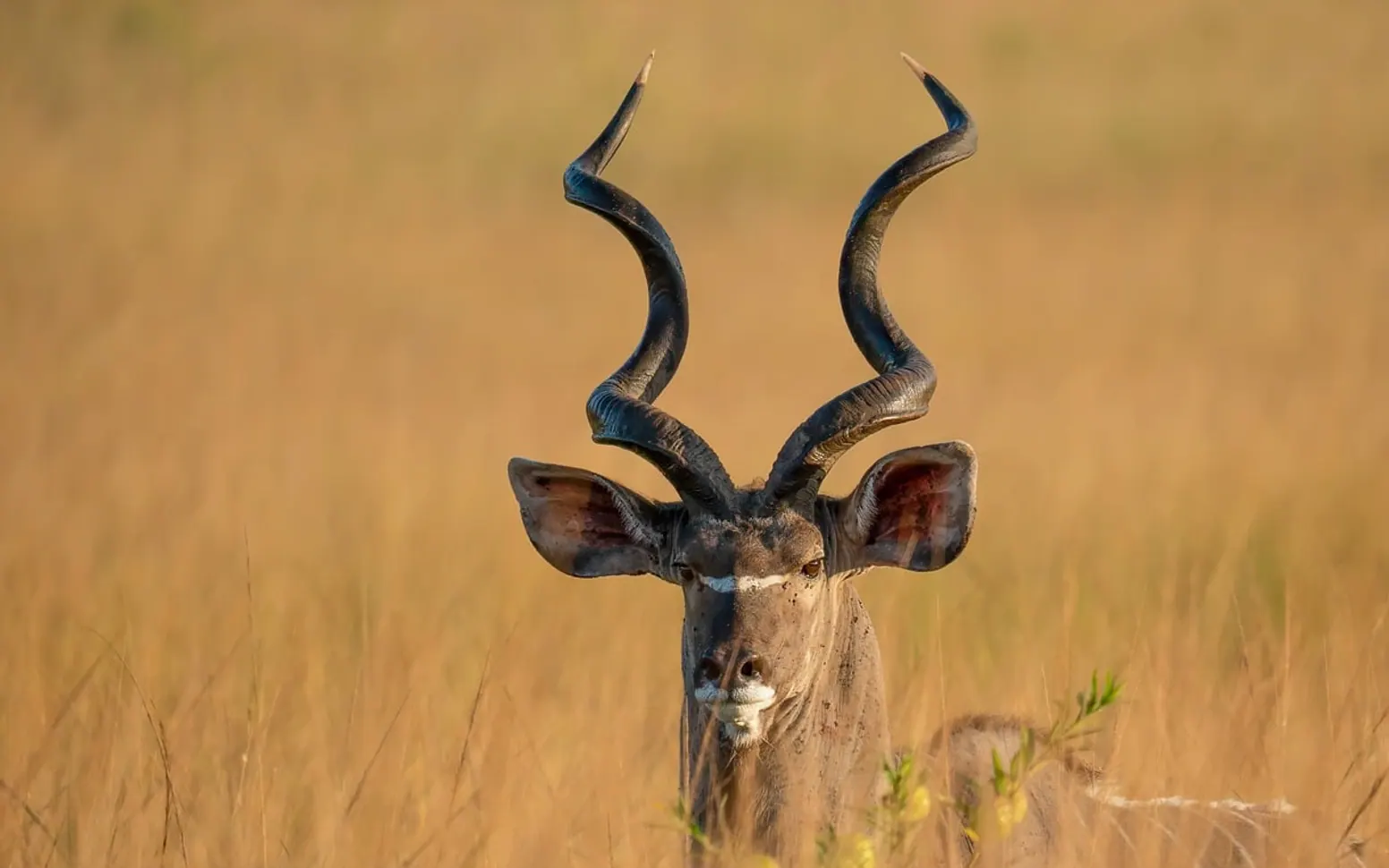
Safari photographs tend to show a lot of khaki, and there is a good reason for it. What you wear in the bush affects how comfortable you are on long drives, how much attention you draw from insects and how easily your clothes cope with dust. None of this calls for an expensive specialist wardrobe. It calls for sensible colours, a few layers and fabrics that dry quickly.
Choose the right colours
Neutral, earthy shades are the classic choice: khaki, sand, olive, stone and soft brown. They blend into the landscape, show dust less and stay cool in the sun.
- Avoid dark blue and black in regions with tsetse flies, which are widely reported to be drawn to those colours. Their bite is painful, so this is worth taking seriously.
- Skip bright white. It looks dirty within an hour and can stand out on walking safaris.
- Leave camouflage at home. In some African countries camouflage patterns are associated with the military and are not suitable for visitors to wear.
- Save bright colours for camp. A colourful shirt is fine at dinner, but on game drives and walks muted shades are kinder to the wildlife viewing.
Dress in layers
Many first-time visitors are surprised by how cold a safari can be. Game drives often start before sunrise, in an open vehicle, and the wind across the plains can be sharp. By late morning the same spot may be hot and bright. The answer is layers you can peel off and stuff into a bag.
| Time of day | What usually works |
|---|---|
| Dawn drive | Long sleeves, fleece or light down jacket, scarf or buff, perhaps a beanie |
| Midday | Breathable shirt, wide-brimmed hat, sunglasses, sunscreen |
| Afternoon drive | Light long sleeves for sun and insects, a layer in the bag for the return |
| Evening in camp | Long trousers and sleeves, closed shoes, a warm top |
Fabrics that earn their place
Cotton is comfortable but slow to dry. Lightweight technical fabrics, linen blends and merino wool handle heat, sweat and the occasional hand-wash in a camp basin much better. Long-sleeved shirts with roll-up tabs are especially useful: sleeves down for sun and mosquitoes, sleeves up when it gets warm. Some travellers choose clothing pre-treated against insects; if you do, follow the product guidance.
Trousers or shorts
Both have their place. Convertible trousers with zip-off legs are popular because they adapt through the day. On walking safaris, long trousers protect against thorns, grass seeds and ticks.
Shoes, hats and small extras
- Shoes: comfortable, broken-in trainers or light walking shoes cover most vehicle-based trips. Add sandals for camp. Heavy boots are rarely needed unless you plan serious walking.
- Hat: a wide brim with a chin strap, so it stays on in a moving vehicle.
- Buff or scarf: keeps dust out of your face and warms your neck at dawn.
- Sunglasses: polarised lenses help with glare off dry grass and water.
- Swimwear: many lodges have a pool for the hot hours between drives.
Pack less than you think
Many lodges and camps offer laundry, often for a modest fee, which means a few days' worth of clothes can carry you through a longer trip. If your itinerary includes small planes between camps, they commonly set strict weight limits and ask for soft-sided bags that squash into a small hold. Check the exact limits with your operator before you buy anything new.
A simple capsule works well: two or three neutral shirts, two pairs of trousers or one pair plus shorts, a warm mid-layer, a light rain jacket, something for the evenings and your sleepwear. Everything should mix and match.
Respect the setting
Dressing well on safari is ultimately about fitting in quietly. Muted clothing lets you observe animals without being the most eye-catching thing in the landscape, and modest outfits are appreciated when you visit villages or towns along the way. For ideas on where to go, our piece on Tanzania's quieter safari regions looks at areas beyond the best-known parks.
What is new in each topic
Tell us what you think.
Suggestions help us plan.