Tennis String Tension Explained: Tighter, Looser and When to Restring
| Filed | Takes |
|---|---|
| 4 min read |
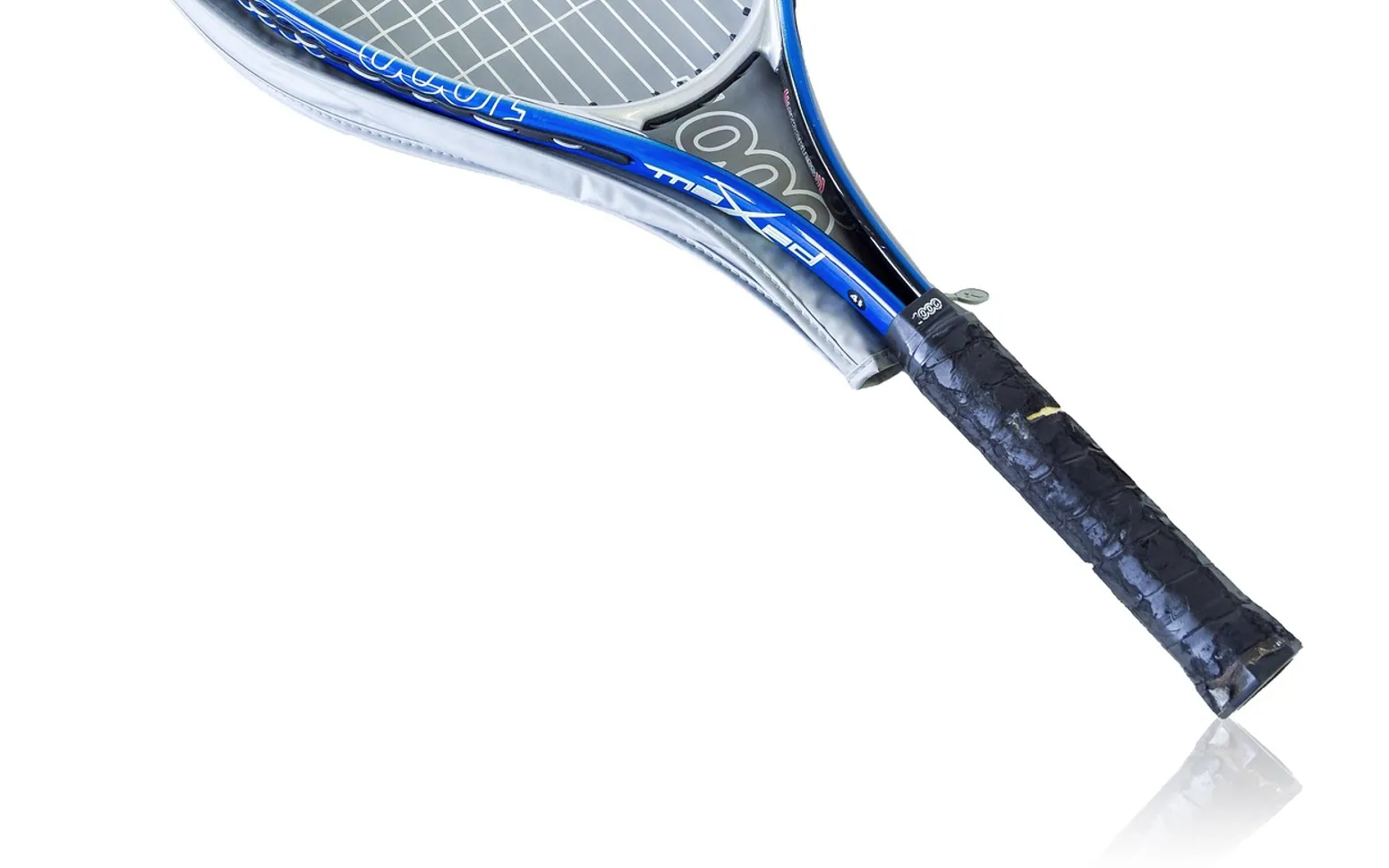
String tension is how tightly the strings are pulled when a racket is strung, measured in pounds or kilograms. As a general rule, lower tension gives more power and a softer, more forgiving feel, while higher tension gives more control and a firmer response. Most recreational players do well starting near the middle of the range printed on their frame and adjusting in small steps from there.
Where to find your racket's range
Manufacturers print a recommended tension range on most frames, usually on the inside of the throat or near the grip. It might read something like "50–60 lbs" or show the equivalent in kilograms. One kilogram is roughly 2.2 pounds, so stringers in different countries can still compare notes easily. Staying inside that range protects the frame and keeps the racket playing as its designers intended.
Lower versus higher tension
When strings are looser, they stretch more on impact and return energy to the ball like a trampoline. Tighter strings deform less, so the ball leaves the racket with less added pace but a more predictable direction.
| Effect | Lower tension | Higher tension |
|---|---|---|
| Power | More free depth on the ball | Less; you supply more of the pace |
| Control | Shots can fly long when swinging hard | Tighter, more precise placement |
| Feel | Soft, slightly muted | Crisp, firm, more feedback |
| Comfort | Often gentler on the arm | Can transmit more shock |
| Sweet spot | Feels larger and more forgiving | Feels smaller and more demanding |
The effect on spin is smaller and more debated than the effects on power and control; string material and pattern usually matter more for spin than a few pounds of tension.
String material changes the picture
Tension never acts alone. The same number on the stringing machine feels very different depending on what is being strung.
- Natural gut is lively and comfortable, holds tension well and is the most delicate in damp weather.
- Synthetic gut (nylon) is the affordable all-rounder and a sensible first choice for most club players.
- Multifilament strings bundle many fine fibres for a softer, arm-friendly response.
- Polyester strings are stiff and durable, popular with heavy hitters for control and spin. They are commonly strung a few pounds lower than nylon, and they lose tension faster.
Some players combine two materials in a hybrid set-up: one type for the long main strings and another for the crosses. It is a useful way to balance durability against comfort.
Choosing a starting point
- Begin in the middle of the frame's range. It is the neutral baseline the racket was designed around.
- Alter a single variable per restring. Adjust tension or string type, not both, so you know what made the difference.
- Move in small steps. Two pounds either way is noticeable; ten pounds is a different racket.
- Keep notes. Write down the string, tension and date each time, plus a line about how it played.
- Think about conditions. Balls fly faster in heat and at altitude, and slower in cold. Some players string slightly tighter for summer and looser for winter.
If you are comparing frames, remember that demo rackets may be strung at different tensions from one another, which can make one feel livelier for reasons that have nothing to do with the frame. Our guide to demoing tennis rackets before buying explains how to run a fair comparison.
Strings lose tension over time
A freshly strung racket starts losing tension within hours, with the steepest drop early on. After that the decline is gradual, whether you play or not. Signs that strings have gone flat include:
- Shots sailing long without any change in your swing
- A dull, papery sound on contact
- Strings that slide out of place and stay there
- Visible notches or fraying where strings cross
How often to restring a tennis racket
A long-standing rule of thumb says to restring as many times a year as you play each week. Someone playing twice a week would restring about twice a year. It is a rough guide rather than a law:
- Players using polyester often restring more frequently, since it goes dead sooner even when it does not break.
- Hard hitters who break strings regularly restring when they break, which settles the question.
- A racket left in a cupboard all winter still loses tension; a fresh set before the new season is worth it.
Store rackets away from car boots on hot days and away from radiators. Heat speeds up tension loss and can damage strings.
Comfort and the arm
Players who notice elbow or forearm discomfort are often advised to try softer strings and slightly lower tension, along with a coaching check on technique. Equipment changes can help, but pain that lingers should be looked at by a doctor or physiotherapist rather than played through.
Is it bad to string outside the recommended range?
It is possible, and some advanced players do. Going well beyond the printed range can stress the frame, and manufacturers' guidance on warranty varies, so check it first.
Does every stringer get the same result?
Not quite. Machines and techniques differ, so the same number can feel slightly different from one shop to the next. Sticking with one stringer makes your notes more useful.
Every sport has its kit rituals; skydivers comparing reserve parachutes work through a far more serious checklist than any tennis player. For a lighter take on sport, gather friends for a final with our plan for a watch party at home.
What is new in each topic
Tell us what you think.
Suggestions help us plan.