Navigating the Clutter: The Essentials of Bin Rental Services
| Filed | Takes | Updated |
|---|---|---|
| 3 min read |
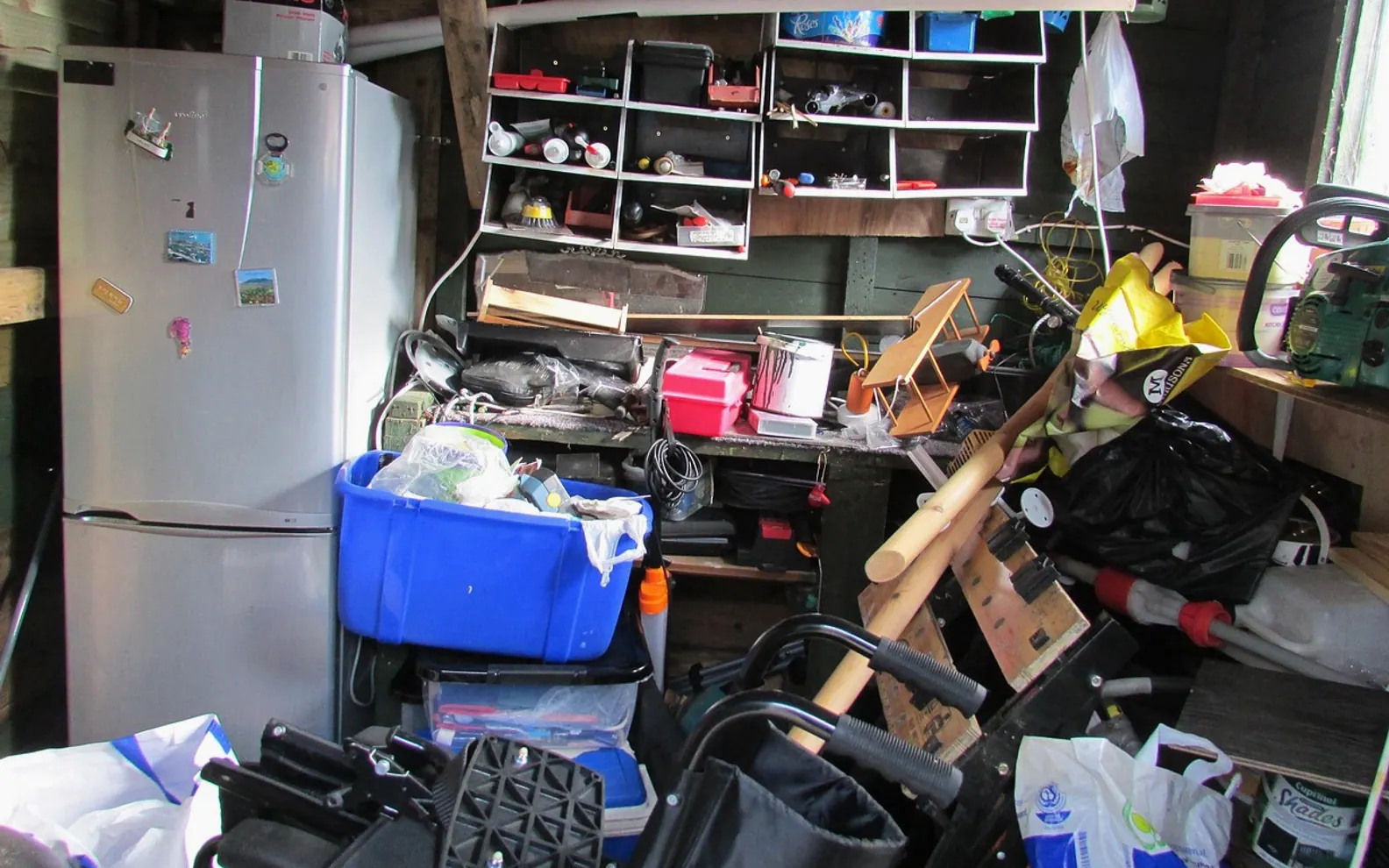
Most clear-outs stall for the same reason: the rubbish has nowhere to go. Sacks gather by the front door, weekends vanish into runs to the recycling yard, and the project drags on for weeks. A rented bin changes the rhythm. Once a container is sitting on the driveway, the work becomes a matter of filling it, and the finish line is visible from day one.
What a bin service actually does
The idea is simple. A company drops off an open container, you load it over an agreed number of days, and the same company collects it and takes the contents for sorting, recycling or disposal. Sizes run from compact bins for a garage tidy-up to large roll-off containers for renovation debris. Many providers also handle heavy materials such as soil, concrete or roofing, though these often need a specific bin type because of their weight.
Homeowners in Alberta who want an example of how this works in practice can look at a Calgary bin rental page, which lays out the bin options and booking steps for local projects in a clear, straightforward way.
Picking the size without overpaying
People tend to underestimate how much a single room produces once carpets, old furniture and broken fixtures come out. A few questions narrow the choice:
- Is this a one-room job or a whole-house effort?
- Will there be bulky items such as sofas, mattresses or cabinets?
- Is any of the material dense, like tiles, bricks or wet plaster?
- Can the work be phased, with one bin now and another later?
Describing the job honestly to the provider usually leads to a sensible recommendation. Weight limits matter as much as volume, so mention heavy loads at the booking stage rather than on collection day.
Sorting before you load
Not everything belongs in a general waste bin. Paint, solvents, batteries, electronics, tyres and certain appliances are commonly restricted, and the rules differ from one area to the next. A quick check with the provider avoids surprises. It also pays to set aside anything that can be donated or sold: usable furniture, working lamps, spare timber and unopened building supplies often find a second home quickly.
Inside the bin, a little order helps. Flat items such as panels and doors go in first and lie down, broken-up pieces fill the gaps, and soft bags go on top. Loading this way fits more in and keeps the load level, which collection crews appreciate.
Where the bin sits and how long it stays
Pick flat, solid ground that a lorry can reach without squeezing past parked cars. Laying boards under the container can protect a paved drive. If the only space is on the street, local rules may require a permit or limit how long a bin can stay, so it is worth checking with the municipality before the delivery date.
Schedule the messiest tear-out for the first days of the hire. That way, any need for an extra swap or a second bin shows up while there is still time to arrange it, and the container leaves on schedule.
A tidier finish
Used well, a rented bin keeps the site safer, saves repeated drives and makes sure waste ends up where it can be processed properly. The main work is in the planning: the right size, a little sorting and a sensible spot on the property. After that, the clutter has only one direction to travel.
What is new in each topic
Tell us what you think.
Suggestions help us plan.