Exploring Tanzania’s Hidden Gems: Off-the-Beaten-Path Luxury Safari Adventures
| Filed | Takes |
|---|---|
| 3 min read |
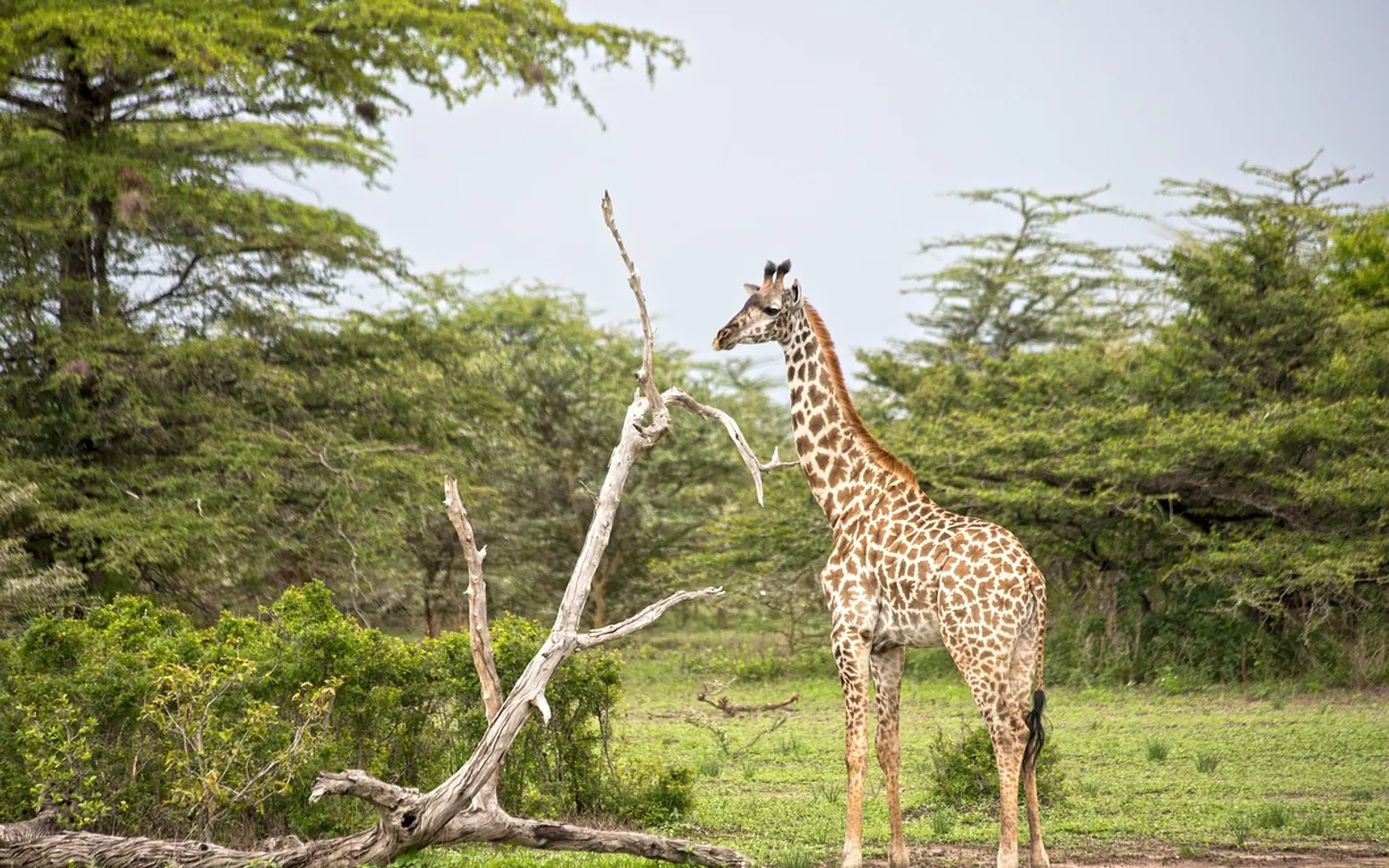
Tanzania's northern circuit has earned its fame, and the great plains and crater views deserve every photograph taken of them. Yet travellers who return a second time, or who simply prefer fewer vehicles at each sighting, often look south and west. There, a handful of remote parks combine big landscapes, strong wildlife and small, comfortable camps where the evening sounds come from hyenas rather than engines.
Five parks worth the extra distance
| Park | Known for | Typical access |
|---|---|---|
| Ruaha | Vast baobab country, large elephant herds, predators along the Great Ruaha River | Light aircraft to a park airstrip |
| Katavi | Remote floodplains where hippos, buffalo and crocodiles gather as water shrinks in the dry months | Charter or scheduled light aircraft |
| Mahale Mountains | Chimpanzee trekking in forested hills above Lake Tanganyika | Flight, then boat along the lakeshore |
| Nyerere (formerly part of Selous) | Boat safaris and walking safaris along the Rufiji River and lakes | Short flight or long road transfer |
| Rubondo Island | Forest walks, birdlife and lake views on Lake Victoria | Light aircraft, then boat |
What makes these areas feel different
The appeal is partly about space. With fewer lodges spread over enormous areas, it is common to spend long stretches without seeing another vehicle. Many camps here also offer activities that are restricted in busier parks: guided walks, fly-camping under canvas, night drives in permitted areas, or quiet boat trips where you watch elephants drink from the water's edge. Each of these changes the way you experience the bush, focusing attention on tracks, birdsong and smaller creatures that are easy to miss from a moving vehicle.
Luxury in these regions tends to be understated. Expect open-sided tents with proper beds and en-suite bathrooms, meals shared around a fire, and guides who know the area intimately rather than marble lobbies and swimming pools.
Planning around seasons and logistics
Timing shapes everything. Many southern and western parks are at their best for game viewing in the dry season, when animals gather around remaining water, while some camps close entirely during the long rains. Chimpanzee trekking in Mahale involves forest hikes whose difficulty changes with the weather and where the chimps happen to be. Ask camps directly about opening months and what each season offers.
Light-aircraft flights usually come with strict luggage limits, often requiring soft-sided bags, so pack lightly in neutral colours. Combining two or three parks with a few nights on the coast or Zanzibar makes the travel time worthwhile. Book an appointment with a travel health nurse or your GP some weeks ahead to talk through vaccinations and malaria precautions.
Working with a specialist
Because flights, camp availability and seasons all interlock, many travellers arrange remote itineraries through a dedicated operator. A well-planned Tanzania safari that includes one or two of these hidden parks can be tailored to your interests, whether that means primates, walking with a ranger, birding on a lake island or simply long, unhurried game drives. Share what matters most to you, and a good planner will suggest the right combination and pace.
A slower, deeper kind of trip
Off-the-beaten-path parks ask for a little more travel and a little more flexibility. In return, they offer intimacy: the sense that the landscape is not staged for visitors but simply carrying on with its own rhythms while you watch quietly from the edge.
What is new in each topic
Tell us what you think.
Suggestions help us plan.