Omakase Etiquette: How to Enjoy a Chef's Choice Sushi Meal
| Filed | Takes |
|---|---|
| 4 min read |
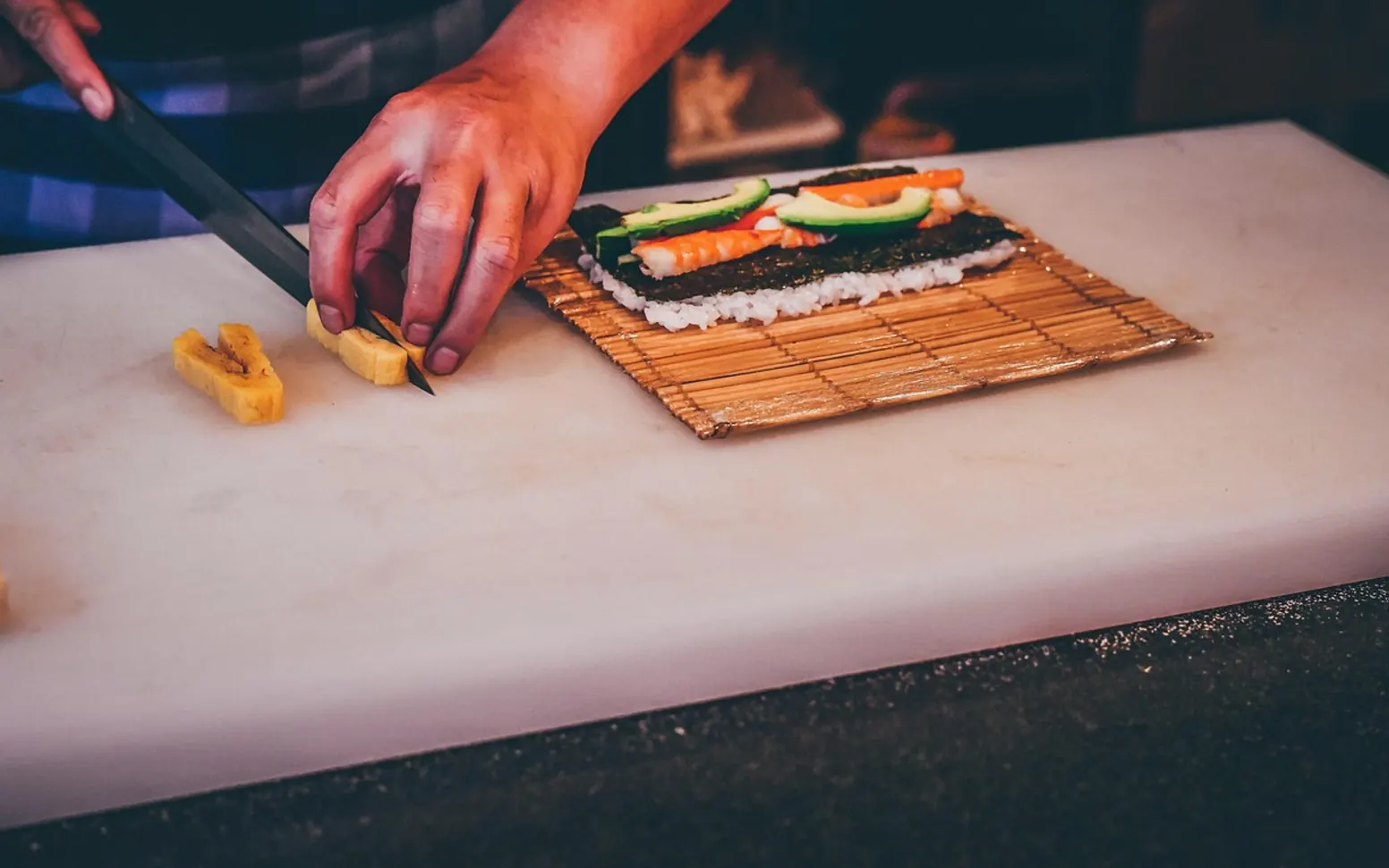
The word omakase is usually translated as "I leave it to you". At a sushi counter it means the chef decides what you eat, in what order and at what pace. For a first-timer that can feel daunting: there is no menu to hide behind, the chef is standing a few feet away and everyone else at the counter seems to know the routine. In practice the customs are few, sensible and mostly about respect for the food. Once you know them, the evening becomes one of the most relaxed meals you can have.
Before you go
Many counters seat only a handful of guests and serve everyone at the same time, so booking ahead is normal and turning up late affects the whole room. Treat the reservation like a theatre ticket. If you have to cancel, do it as early as the restaurant allows, and read its cancellation terms when you book.
Tell the restaurant about allergies and strong dislikes when you reserve, not when the first piece lands in front of you. A chef planning a sequence of courses can adapt far more gracefully with notice. Shellfish, raw egg, gluten in soy sauce and certain fish are the usual things worth mentioning.
- Skip strong perfume or aftershave. The counter is close quarters, and scent competes with delicate fish.
- Dress neatly rather than formally. Smart casual suits most places unless the booking says otherwise.
- Check how payment works. Some restaurants take a deposit, others settle everything at the end.
At the counter
Sit where you are shown and keep the counter clear of phones, keys and bags. A quick greeting to the chef is welcome; long conversation is fine if the chef starts it, but avoid pulling attention away while knives are moving.
Hands or chopsticks
Nigiri may be eaten with clean fingers or with chopsticks, and both are accepted at most counters. Many diners find fingers easier because the rice stays intact. A damp towel is usually provided for this purpose. Sashimi and other dishes are eaten with chopsticks.
Soy sauce and wasabi
At many omakase counters each piece arrives already seasoned, brushed with sauce or topped with a little salt or citrus. If so, eat it as served. When a small dish of soy sauce is provided, dip the fish side lightly rather than soaking the rice, which falls apart and drowns the balance the chef built. Ask if you are unsure; the question is usually received as a compliment.
Eat promptly, in one bite
Each piece is formed at a particular temperature, and the rice cools quickly. Eating it within a moment or two of it being placed in front of you is the single most useful courtesy. Most nigiri are sized for one bite. Photographs are a common request; if the restaurant allows them, take one quickly and without flash, then eat.
Pickled ginger is there to clear the palate between pieces, not to pile on top of the fish. Sip tea or water between courses as you like.
Pacing and preferences
The chef watches how quickly guests eat and adjusts the rhythm. If you need a slower pace, a polite word is enough. If you particularly enjoyed something, saying so is welcome, and at some counters you can ask for an extra piece at the end of the set sequence, usually at an added cost.
| Moment | A good habit | Worth avoiding |
|---|---|---|
| Arriving | On time, phone silenced | Walking in mid-service |
| A new piece arrives | Eat it straight away | Letting it sit while you chat |
| Seasoning | Taste before adding anything | Mixing wasabi into the soy dish |
| Something you dislike | Mention it quietly | Picking the fish off the rice |
Drinks and the bill
Sake, beer, tea and wine all appear at sushi counters. If you would like a recommendation, ask; staff often suggest something that fits the courses. Tipping customs depend entirely on the country. In Japan tipping is generally not expected, while in many North American cities it is part of the bill. When travelling, look up local practice before the meal so you are not working it out at the till.
Why the customs make sense
Nearly every rule above comes down to the same idea: the chef is serving each guest something that is at its best for a very short time. Arriving on time, eating promptly and tasting before seasoning simply let that moment reach you. If you want to understand what the chef is balancing, from rice temperature to the way fish is cut, our earlier piece on rice, fish and flavour in balance explains the craft behind each mouthful.
Above all, relax. Chefs at good counters meet first-time guests every week. Curiosity, a thank-you at the end and an empty plate tell them more than perfect technique ever could.
What is new in each topic
Tell us what you think.
Suggestions help us plan.