Hawker Centre Etiquette: Ordering, Seating and Sharing Tables in Singapore
| Filed | Takes |
|---|---|
| 3 min read |
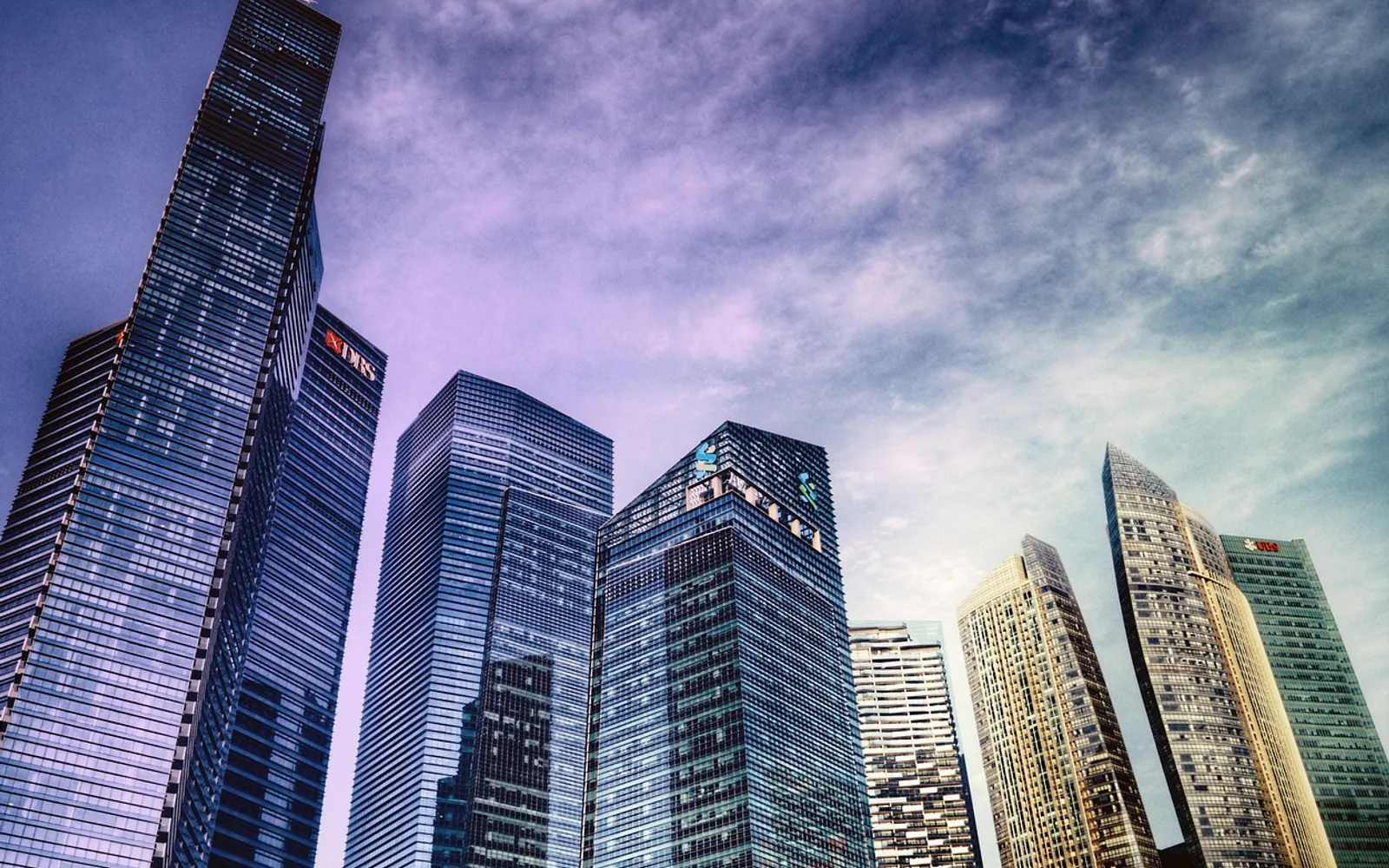
For many visitors, the most memorable meal in Singapore costs very little and is eaten at a plastic table under a ceiling fan. Hawker centres are open-air food halls where dozens of small stalls each cook one or two specialities: chicken rice, laksa, char kway teow, satay, carrot cake that contains no carrot. Singapore's hawker culture has been recognised by UNESCO as intangible cultural heritage, and locals of every background eat there daily. For a newcomer the first visit can feel chaotic. It is not; it just runs on habits nobody bothers to write down.
Walk a lap first
Before you queue anywhere, walk the whole centre once. Stalls display their dishes on signboards, often with photos, and you will quickly spot which ones draw a line of regulars. A long queue at lunchtime is usually a good sign, though it can also mean a stall has been featured somewhere recently. Note the stall numbers of two or three that appeal to you, then decide.
- Look at what people are eating. Pointing politely at a neighbour's plate and asking where it came from is perfectly normal.
- Check the opening days. Many stalls close one day a week or sell out early, so a famous name may already be shuttered.
- Carry small notes and coins. Plenty of stalls take digital payment now, but not every one does.
Finding a seat
The tissue-packet custom
You will notice small packets of tissues lying on empty tables. This is "choping", the local habit of reserving a seat while you go and order. A packet of tissues, an umbrella or a lanyard on a chair means that place is taken. Respect it, and feel free to do the same, though leaving anything valuable is unwise.
Sharing tables
At busy times it is normal to sit at a table with strangers. A quick "Is anyone sitting here?" and a nod is enough. Keep your belongings compact and do not spread out across extra seats when people are hunting for space.
Ordering and paying
Order at the stall counter. Some stalls ask for your table number and bring the food over; others hand you a buzzer or ask you to wait. The table number is usually printed on a small plate or sticker on the table itself, so check it before you leave your seat.
| Stall says | What it usually means |
|---|---|
| "Table number?" | They will deliver the food to you |
| "Wait here" | Collect it at the counter when ready |
| "Dabao?" | Do you want it to take away? |
| "Small or big?" | Portion size, priced differently |
Drinks are sold at separate drinks stalls. Coffee and tea come with their own vocabulary: "kopi" is coffee with condensed milk, "kopi O" is black with sugar and "kopi C" uses evaporated milk. Add "kosong" for no sugar and "peng" for iced. Staff are used to visitors who simply ask for "coffee, no sugar".
Sharing dishes and ordering for a group
The best approach with friends or family is to split up, each buy from a different stall and share everything in the middle. That way you taste five or six dishes in one sitting. Ask for an extra plate or spoon if you need one; most stalls will hand it over without a second thought.
Clearing up
When you finish, take your tray, plates and cutlery to the tray-return points dotted around the centre. In Singapore returning your tray is expected of every diner, and signs remind you where to put halal and non-halal crockery separately. Wipe any big spills if you can, and leave the table ready for the next person.
Small courtesies that go a long way
- Queue patiently and have your order ready when you reach the front.
- Say thank you to the stallholder; many have been cooking the same dish for decades.
- Avoid ordering a single drink and holding a large table at peak lunch hour.
- Try at least one dish you have never heard of.
Fitting it into a day out
Hawker centres pair well with a slower morning of sightseeing, and many neighbourhoods have one within walking distance of their temples and parks. If you are planning a quieter cultural stop on the same day, our piece on Lin San Temple in Singapore describes a peaceful place to visit before lunch. For another view of eating attentively while travelling, read our guide to omakase etiquette, which could hardly be more different in setting and yet rewards the same curiosity.
What is new in each topic
Tell us what you think.
Suggestions help us plan.