Comparing Reserve Parachutes: Choosing the Right Backup for Peace of Mind
| Filed | Takes |
|---|---|
| 3 min read |
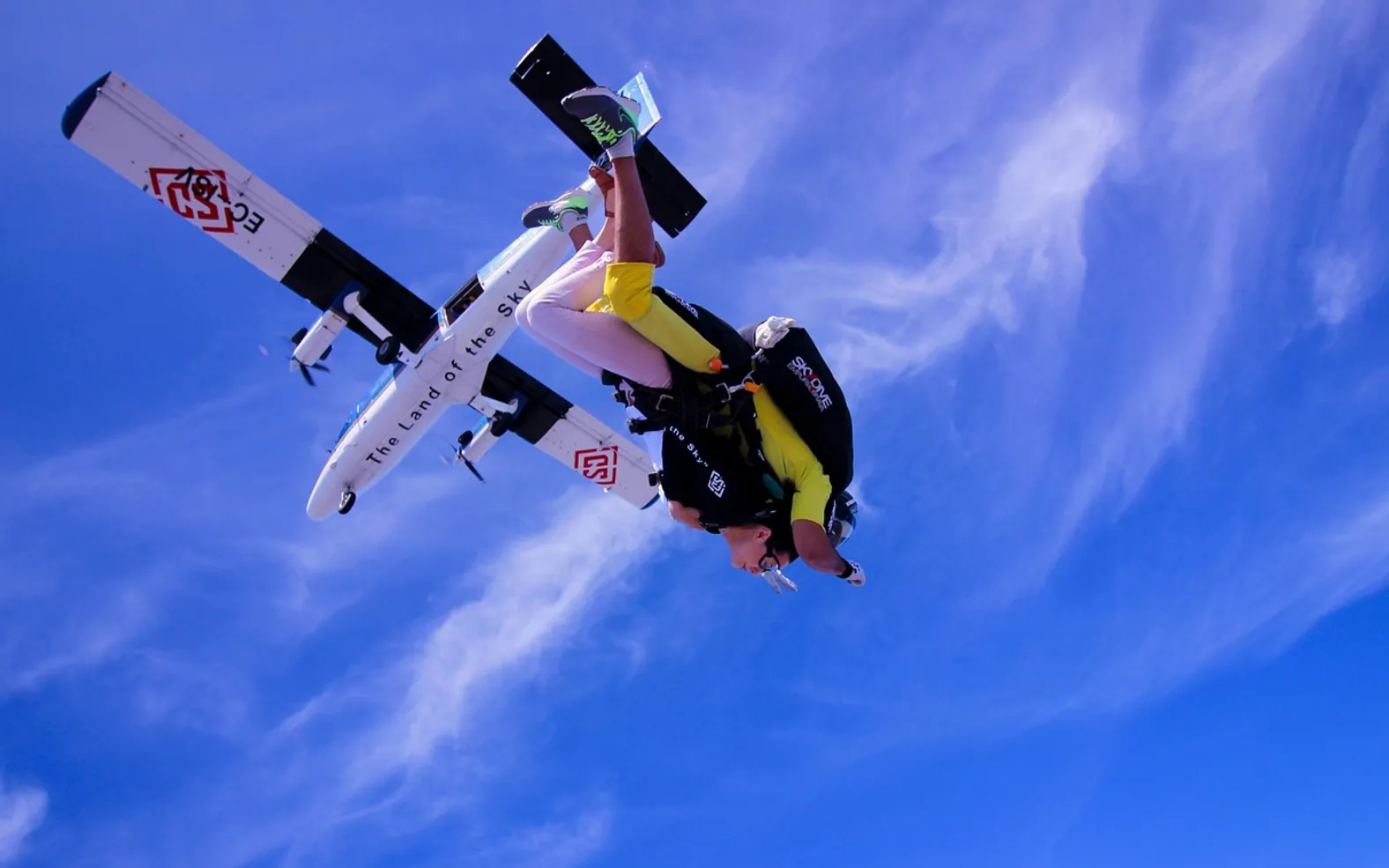
Most skydivers spend hours comparing main canopies and very little time thinking about the reserve, which is understandable: it is the parachute everyone hopes never to see. Yet the reserve is the one piece of equipment that has to work on the worst jump of your life, often with less altitude and more stress than any normal opening. Choosing it deserves the same care as any other purchase in the sport.
Start with the numbers that matter for you
A reserve is not chosen in isolation. Your exit weight with all gear, your experience level and the size of your main canopy all shape what makes sense. A reserve that is very small relative to your weight will fly fast and land hard, which may be manageable for an experienced canopy pilot but unforgiving for someone newer. Every reserve has a maximum certified load set by its manufacturer; staying comfortably within it, rather than right at the edge, gives you margin on a bad day.
What separates one reserve from another
Reserves from established makers such as Performance Designs, NZ Aerosports, Aerodyne and Icarus are all built to certification standards, so the differences tend to be about character rather than basic safety. When you compare them, look at:
- Opening behaviour: some designs are known for soft, predictable openings, others for quicker inflation. Ask jumpers who have actually deployed them.
- Flight and flare: a reserve that is easy to steer and flares powerfully makes off-field landings far less stressful.
- Pack volume: low-bulk fabrics allow a smaller container, which many jumpers find more comfortable in freefall.
- Repack history and age: on used gear, check the data card and the manufacturer's service life guidance.
Fit with the rest of the system
A reserve has to suit the container it lives in. Every harness and container has a list of compatible reserve sizes, and squeezing in a canopy that is too large for the tray can affect how it deploys. Your rigger will know the charts for your container and can tell you quickly which options are realistic.
It also helps to think about your whole setup as one package. Jumpers who pick a slim, aerodynamic container and a low-bulk reserve often round off the system with a Cookie G35 helmet for skydivers, a full-face design many people appreciate for its snug fit and clean profile in the airflow. When harness, reserve and helmet all fit well, you are more relaxed under pressure, which matters more than any single specification.
Questions to take to your rigger
- Which reserve sizes fit my container, and which would you recommend for my exit weight?
- How does this model behave on opening, based on repacks and jumper feedback you have seen?
- Is this used reserve within its service life, and does its history look complete?
- Do I need an AAD service or any other change if I switch reserves?
- Can I arrange a canopy course to practise flying a canopy of similar size?
Peace of mind is the real goal
The best reserve is the one that matches your weight, your skills and your container, has been inspected by a qualified rigger and is packed on schedule. Brand loyalty and online opinions can point you in a direction, but the final call should come from conversations with your instructor and rigger, who know your jumping and your gear. Then you can board the plane trusting the parachute you hope never to use.
What is new in each topic
Tell us what you think.
Suggestions help us plan.