Container Rentals: A Smart Solution for Seasonal Inventory Management
| Filed | Takes | Updated |
|---|---|---|
| 3 min read |
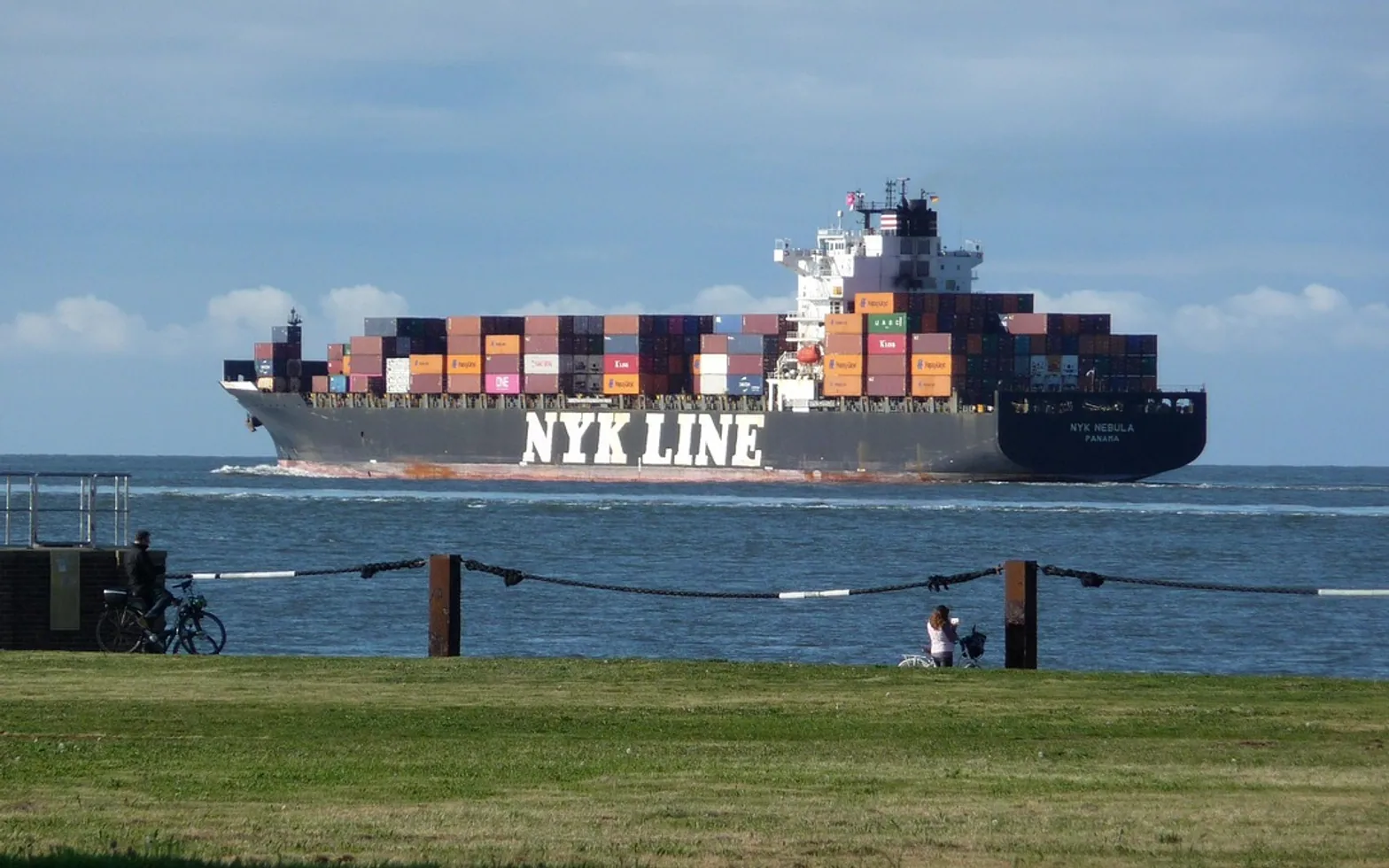
Every business with a busy season knows the squeeze. Pallets arrive weeks before the rush, the back room fills up, and suddenly the corridor doubles as a warehouse. Renting a container for the peak months is one of the simplest ways to buy breathing room, and it pays off most when the booking sits in the seasonal calendar months ahead instead of being arranged in a panic.
Before the peak: decide what goes outside
Not every product belongs in a container. Start by sorting your seasonal stock into three groups: items you sell daily and need within arm's reach, bulk reserves that only need restocking once or twice a week, and display material, packaging or equipment that will sit untouched for weeks. The second and third groups are ideal for container storage, while fast movers stay in the shop or main stockroom.
That sorting also tells you roughly what size you need. A rough floor plan of pallets and shelving, sketched on paper, is often more useful than guessing by volume.
Booking and placement
Rental providers that handle a range of container types often cover several needs from one booking. In the Rhine-Main region, for example, businesses that already rely on a bauschutt container Frankfurt service for clear-outs and renovation waste can ask the same local team about storage options, which keeps delivery, collection and invoicing in one place.
Before delivery day, think about the spot itself:
- The ground should be firm and level so doors open and close cleanly.
- Delivery vehicles need clear access, with space for the container to be set down.
- Doors should face the direction you will load from, ideally close to your back entrance.
- Placing a unit on a street or footpath usually involves the town hall, so ask early about any permission you may need.
During the season: keep it usable
A container that turns into a jumble is almost worse than no extra space at all. A few habits keep it working:
- Put pallets or shelving on the floor so goods do not sit directly on the metal.
- Store the items you reach for most often closest to the door.
- Label shelves and keep a simple stock list taped inside the door or in a shared spreadsheet.
- Use moisture absorbers for paper, textiles or anything sensitive to condensation.
- Fit a sturdy padlock and limit who holds keys.
Weekly checks for damp, pests and damaged packaging take a few minutes and prevent unpleasant surprises when the rush is at its height.
After the rush: wind down cleanly
Once the season ends, the flexibility of a rental really pays off. Remaining stock can be consolidated back into permanent storage, damaged items written off, and the container collected without any long-term lease to worry about. Many businesses use this moment to note what they would change next year: a different size, an earlier delivery date or a better layout inside.
Does it suit your company?
Container storage suits companies whose space needs rise and fall with the calendar: garden centres in spring, toy and gift retailers before the holidays, outdoor equipment shops in summer. If your extra stock is valuable or highly temperature sensitive, ask providers about insulated or ventilated options and check your insurance covers goods stored on site. With those questions answered, a rented container can turn a cramped peak season into a manageable one.
What is new in each topic
Tell us what you think.
Suggestions help us plan.