Unplugged Ceremony: How to Ask Guests to Put Their Phones Away
| Filed | Takes |
|---|---|
| 4 min read |
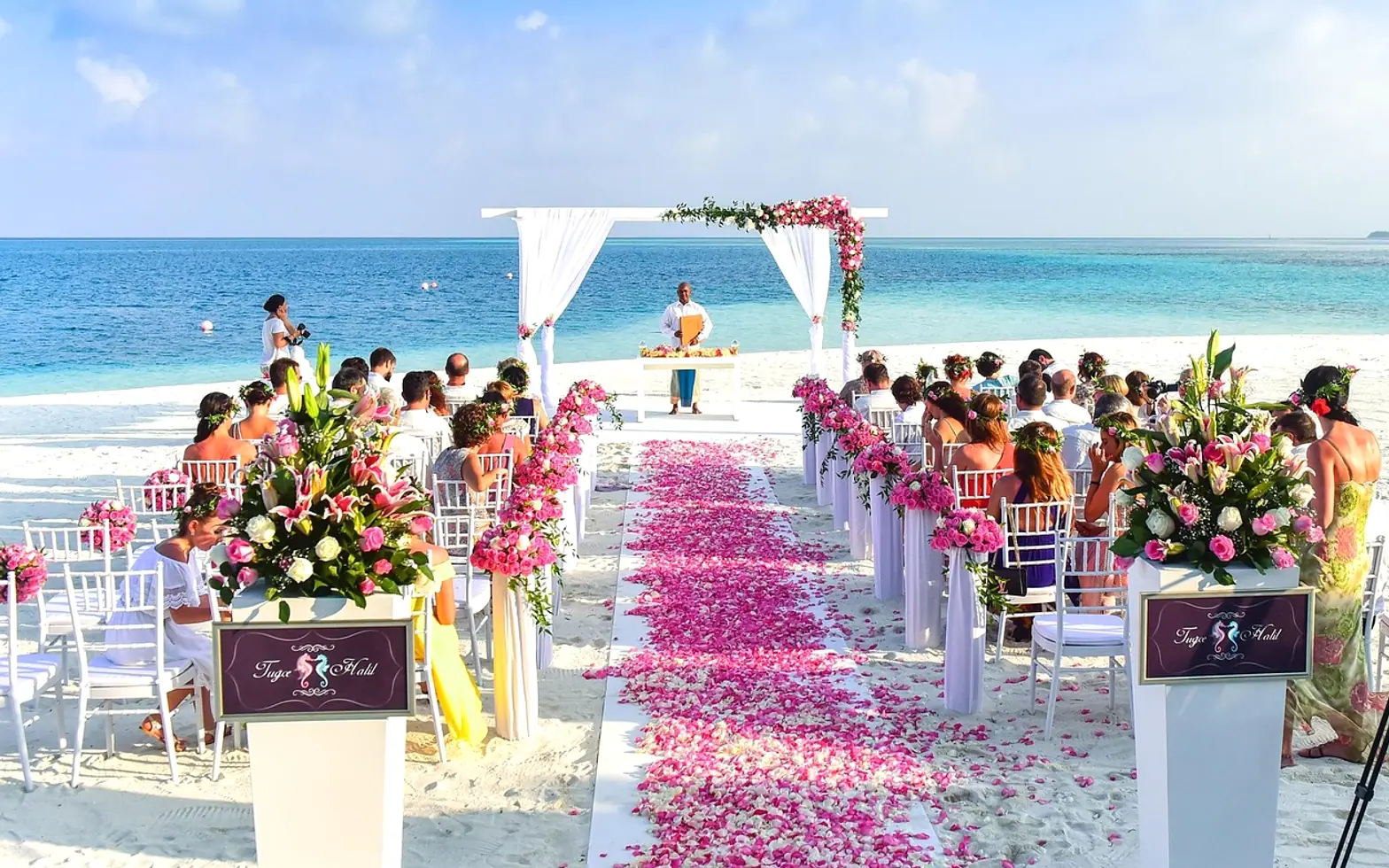
An unplugged ceremony is a wedding ceremony during which guests keep their phones and cameras put away, from the moment the processional begins until the couple walk back up the aisle. The hired photographer captures the vows, and everyone else simply watches. Most couples limit the request to the ceremony itself and welcome phones again at the drinks reception, which is why the idea is easier to accept than it first sounds.
Why couples ask for it
The reasons are rarely about rules. They tend to be practical and a little sentimental.
- Clear sightlines. A raised phone in the aisle seat can block the one angle the photographer needs, such as the first look at the end of the walk.
- Faces, not screens. Couples often want pictures that show family members reacting, not lit-up rectangles held at arm's length.
- The first post belongs to the couple. Plenty of people would like to share their own wedding news on social media before a cousin uploads a blurry kiss with a caption.
- Presence. A ceremony lasts twenty or thirty minutes. Watching it without a device is a small gift to the people getting married.
Ceremony only, or the whole day?
Being clear about scope prevents awkward moments. These are the most common versions:
| Version | What guests are asked | Works well when |
|---|---|---|
| Unplugged ceremony | No phones from processional to recessional | Most weddings; the usual choice |
| Unplugged until the first dance | Phones away through dinner and speeches | Smaller receptions with a photographer staying late |
| No posting, photos allowed | Take pictures, but keep them off public feeds | Couples who mainly care about privacy |
| Fully unplugged | No personal photography all day | Intimate events; needs very clear notice |
Where to tell guests
One mention is easy to miss. Three gentle mentions, spread across the weeks before the wedding and the day itself, almost always work.
- The wedding website or save-the-date. A sentence in the frequently asked questions sets expectations early. If you are still planning your stationery, our timeline for sending invitations and save-the-dates shows when each piece goes out.
- The invitation or its insert card. Keep it short and warm; the details can live online.
- A sign at the ceremony entrance. An unplugged wedding sign near the seating is the reminder most guests actually read.
- The officiant's welcome. A spoken request just before the processional catches everyone who walked past the sign while chatting.
- Ushers or a trusted friend. Someone who can quietly remind a guest, if needed, saves the couple from noticing at all.
Many couples match the wording and lettering of the sign to the rest of their stationery. For ideas on keeping a consistent look, see these themes for invitation cards and wedding videos.
Wording that sounds kind
The tone matters more than the exact phrase. A request that explains the reason feels like an invitation rather than a ban. A few starting points to adapt:
- "We have a wonderful photographer for the ceremony. Please enjoy it with us, phones tucked away. Snap as much as you like afterwards."
- "Welcome to our unplugged ceremony. The only thing we would like you to hold for the next half hour is a tissue."
- "Please keep your phones in your pocket until we are married. We will share the pictures with all of you soon."
For the officiant, something conversational works best: a quick thank-you for coming, a sentence about the photographer and an explicit "you can bring your cameras back out when the couple walk past you on the way out."
Leaving room for guest photos
Guests usually accept an unplugged ceremony more happily when they know exactly when they can take pictures. Two popular compromises:
- A planned photo moment. After the pronouncement, the officiant invites everyone to take out their phones for thirty seconds while the couple pose at the front.
- A shared album. Guests upload their reception shots to one place. Our guide to collecting photos from wedding guests with QR codes and shared albums walks through the setup.
It also helps to brief the photographer. Professionals who know the aisle will be clear can plan their positions differently, and the advice in our article on photography setups for events about shot lists applies just as well to a wedding.
Social media etiquette for guests
Even when phones are welcome later, a few courtesies keep the couple in charge of their own news:
- Wait until the couple have posted before sharing anything publicly.
- Use the wedding hashtag if there is one, and skip it if the couple asked for privacy.
- Ask parents before posting pictures in which their children are clearly visible.
- Leave out unflattering candid shots, however funny they look at midnight.
Common questions
Is it rude to ask for an unplugged wedding?
Not when it is explained politely and in good time. Most guests are relieved to be told what is expected, and many enjoy the excuse to watch properly.
What about guests who need their phone?
Doctors on call, parents with a babysitter at home and anyone caring for a relative may need to stay reachable. Silent mode with the phone out of sight is a fair middle ground; nobody should feel singled out.
Does it apply to children?
The same request covers tablets and handheld games. Seating younger guests near an aisle with a parent makes a quiet exit easy if they lose patience.
Can we still livestream the ceremony?
Yes. A single camera run by a friend or a videographer for relatives who cannot travel is quite different from forty phones in the air, and it fits comfortably alongside an unplugged request.
What is new in each topic
Tell us what you think.
Suggestions help us plan.