Why Preventive Dentistry Matters: How Texans Can Avoid Costly Procedures Later
| Filed | Takes |
|---|---|
| 2 min read |
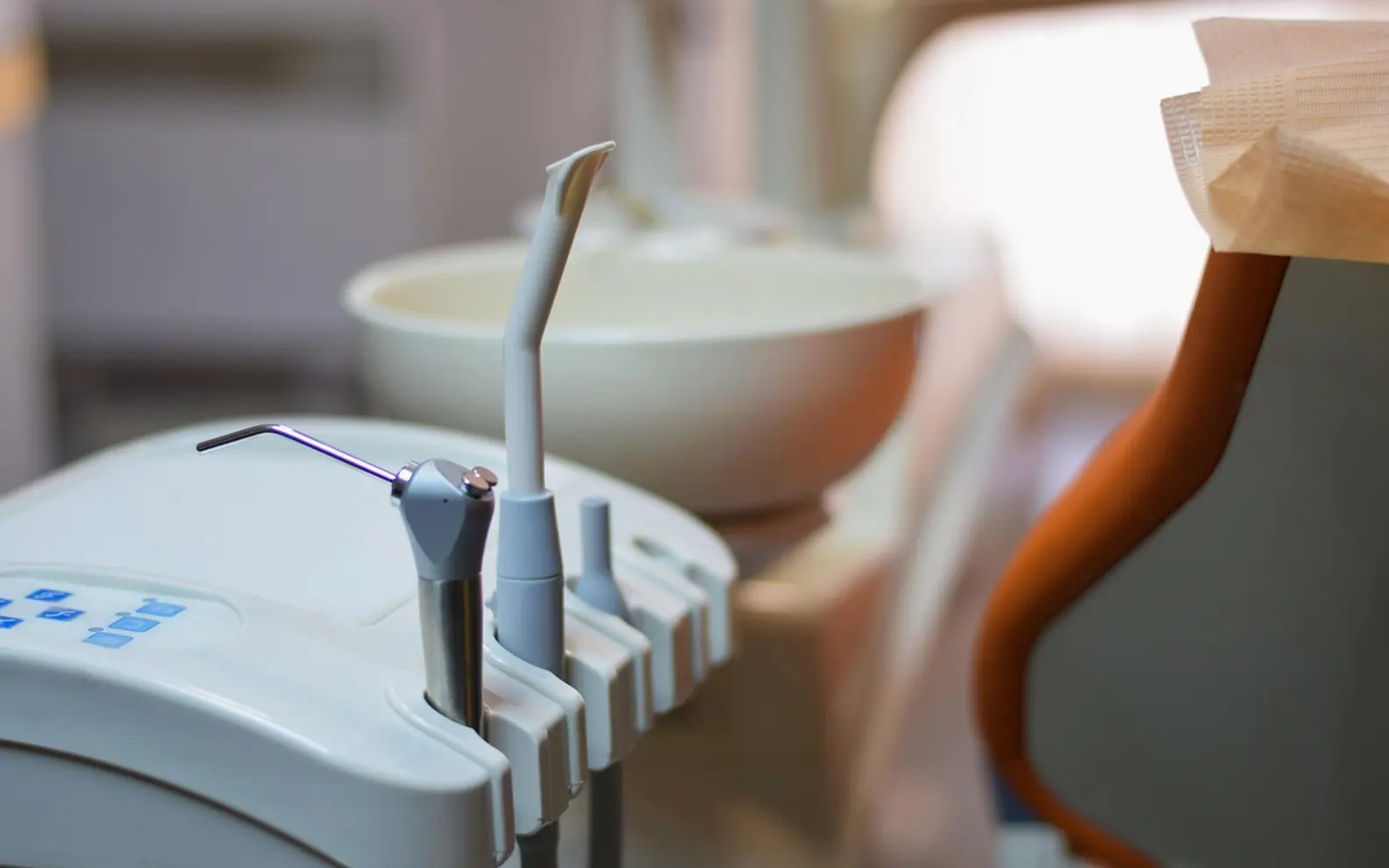
Most dental emergencies start as something small. A tiny area of decay that would have needed a quick filling keeps growing until it reaches the nerve. Gums that bled a little when brushed slowly pull away from the teeth. The frustrating part is that many of these problems give few warning signs early on, which is exactly why preventive dentistry exists: it finds trouble while the fix is still simple.
What prevention actually involves
Preventive care is a mix of what happens at the dental office and what happens at your bathroom sink. At the office, it usually means an examination, a professional cleaning to remove hardened tartar, X-rays when your dentist thinks they are needed, and sometimes fluoride treatments or sealants on the grooves of back teeth. Many practices also check the soft tissues of the mouth for anything unusual.
At home, it means brushing twice a day with fluoride toothpaste, cleaning between the teeth, limiting sugary snacks and drinks, and paying attention to changes such as sensitivity, swelling or bleeding.
A simple prevention calendar
| How often | What to do |
|---|---|
| Every day | Brush morning and night, clean between teeth, drink plenty of water |
| Every few months | Replace your toothbrush or brush head, or sooner if the bristles splay |
| As your dentist advises | Checkup and professional cleaning, often around twice a year |
| When something changes | Book a visit for pain, swelling, a chipped tooth or bleeding that does not settle |
Your dentist may suggest a different rhythm depending on your history, so use the table as a rough guide and follow their advice.
Why waiting usually costs more
Skipping checkups can feel like saving money, but untreated problems tend to grow. A cavity left alone may eventually need a larger filling, a root canal or a crown, and advanced gum disease can lead to tooth loss. Each of those steps generally takes more time in the chair and a bigger bill than the routine visit that could have caught it. Costs vary from practice to practice and depend on insurance, so ask for an estimate before any treatment.
The benefits reach beyond the mouth as well. Gum health and general health are connected, which is why your dentist may ask about conditions such as diabetes or about medicines you take. If you have a long-term health condition, mention it at every visit.
Making prevention affordable in Texas
Cost and lack of insurance keep many Texans away from the dentist, but there are often more options than people expect. Some practices offer in-house membership plans or payment arrangements. Community health centres in many parts of the state provide dental care on a sliding scale, and dental schools sometimes run clinics where supervised students treat patients at reduced fees. It is worth calling around and asking directly what is available.
Prevention is not about perfect teeth. It is about catching small issues while they are still small. Booking that next checkup, and keeping it, is one of the most straightforward ways to protect both your smile and your budget. For any specific concern, your own dentist is the best person to advise you.
What is new in each topic
Tell us what you think.
Suggestions help us plan.