IPTV in Belgium: A Modern Way to Enjoy Television
| Filed | Takes |
|---|---|
| 2 min read |
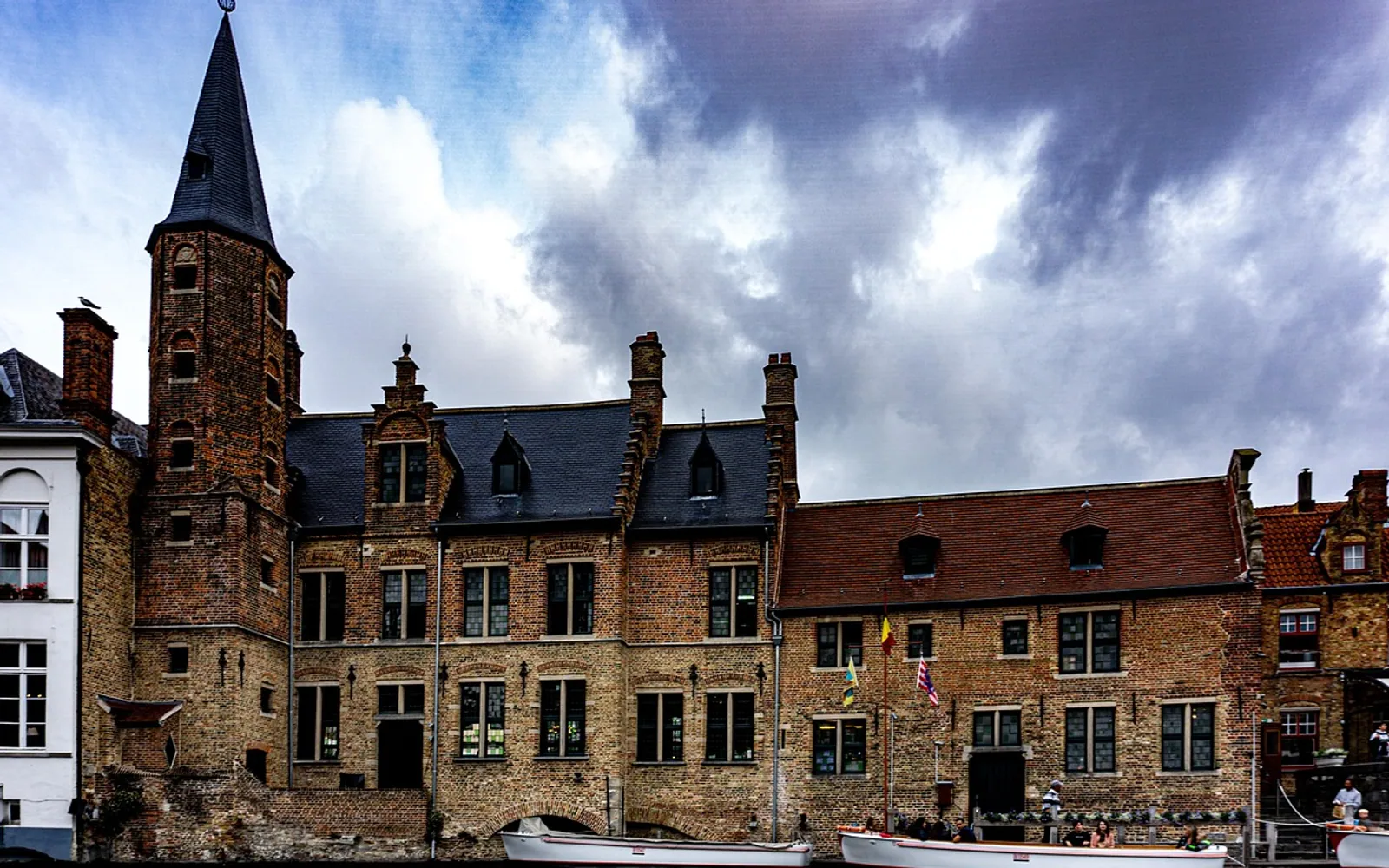
Belgium squeezes three official languages, strong regional identities and a large international population into a fairly small country. Put those ingredients into one living room and the television remote becomes a negotiation: Dutch-language news for one person, French drama for another, a football match from abroad for someone else. Internet-delivered television handles that mix more gracefully than a fixed channel line-up, and that alone accounts for much of its appeal.
A different route to the screen
With IPTV, programmes reach the home over a broadband connection and play through an app or a small receiver connected to the television. Viewers can pick from live channels, scroll back through recent broadcasts and open on-demand titles from the same menu. Because the service lives in an app, it can also follow its owner onto a laptop or phone, which suits households where people keep different hours.
Belgium's widespread fast broadband makes this practical in cities and in many rural areas alike, though the experience is only as steady as the local connection.
Why the format fits Belgian households
Several features line up neatly with how people in the country tend to watch:
- Language flexibility. Menus, soundtracks and subtitle languages can frequently be set per profile, so a bilingual family does not need two separate set-ups.
- Room for international viewing. Residents who moved from elsewhere in Europe or further afield may find channels from home within a single subscription, depending on what the provider is licensed to carry.
- Viewing on your schedule. Catch-up features take the pressure off evening broadcasts, which helps commuters and shift workers.
- Several screens. Children can watch a cartoon on a tablet while the main television shows the evening news.
Choosing a provider with care
Packages differ more than their headline channel counts suggest. A short checklist keeps the comparison fair:
- Confirm that the service runs on the screens already in your home, be it a smart TV, a games console or a streaming stick.
- Look at how many simultaneous streams are allowed and whether that matches your household.
- Ask about support: in which languages it is offered, how it can be reached and how quickly it responds.
- Read the contract length and cancellation terms; monthly options give more room to change your mind.
- Make sure the service is licensed to offer its channel list to Belgian customers; that keeps the arrangement fair for viewers and for the people who make the programmes.
A trial period, where available, is the most reliable way to judge picture stability at your own address.
Small adjustments that improve viewing
Once a service is running, a few tweaks often make the biggest difference. Wire the main television straight into the router when the two are close together, or add a mesh Wi-Fi point in rooms with thick walls, which are common in older Belgian terraced houses. Set up separate profiles early so favourites, language preferences and parental controls stay personal.
Finally, keep apps and TV firmware up to date. Updates frequently improve the programme guide, fix playback glitches and add features, so a well-maintained set-up tends to get better over time rather than worse.
What is new in each topic
Tell us what you think.
Suggestions help us plan.