Eco-Friendly Bathroom Renovation Tips for a Sustainable Home
| Filed | Takes |
|---|---|
| 2 min read |
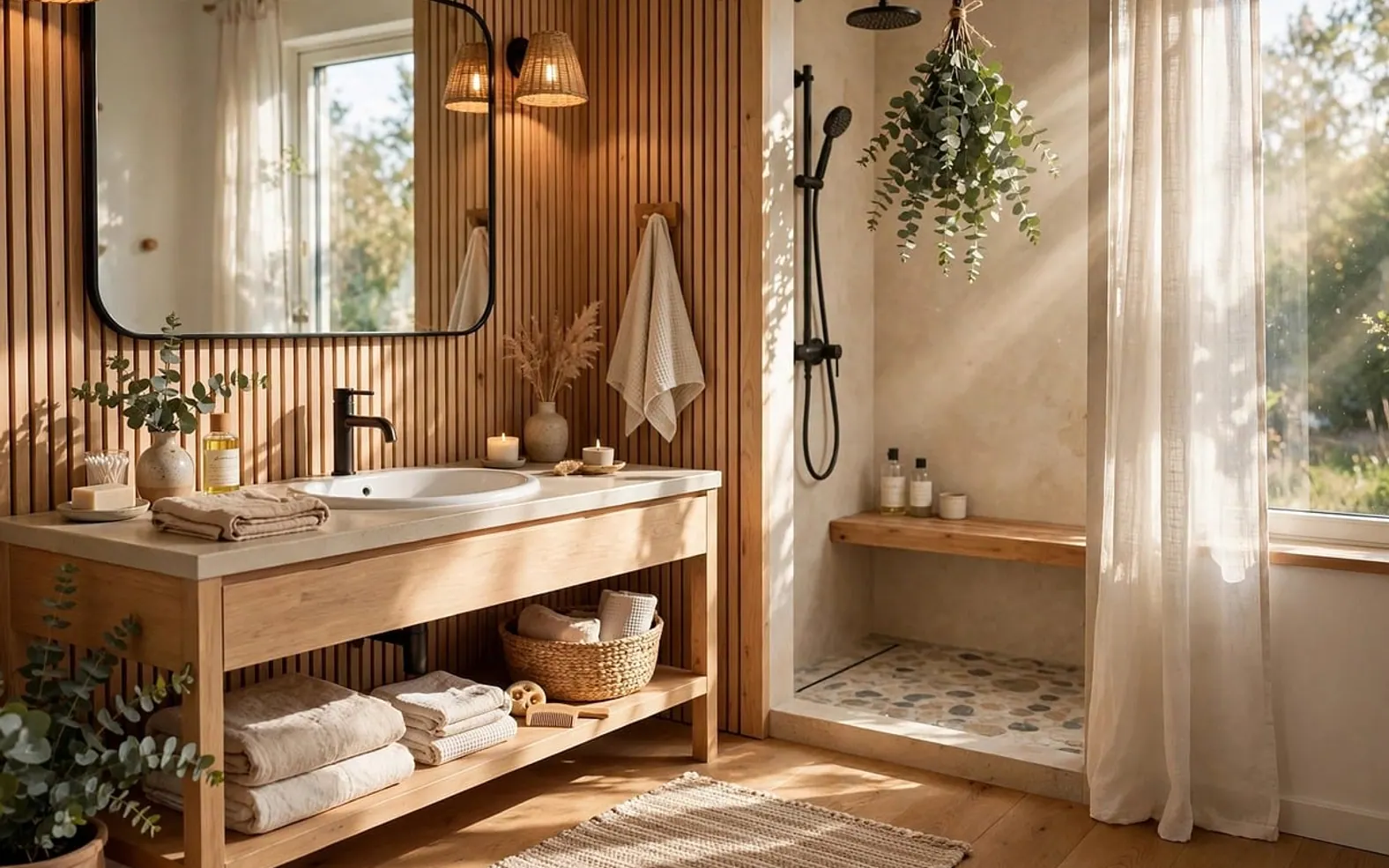
Few rooms bring water, energy, air quality and building materials together the way a bathroom refit does. That makes it a rare opportunity: decisions made during a refit shape how much water and heat the room uses for many years. The trick is to make the sustainable choices early, while walls are open and plans are still flexible, rather than trying to bolt them on at the end.
Plan first, demolish second
The greenest renovation is often the one that keeps what still works. Before anything is ripped out, walk through the room and ask which elements can stay: a sound bath that only needs re-enamelling, tiles that could be cleaned and regrouted, a radiator that simply needs repositioning. Keeping the existing layout, especially the position of the toilet and drains, also reduces disruption and material use.
Booking a full bathroom installation London service with an experienced team makes this stage easier. Share your sustainability priorities at the very first visit, and good fitters can build water-saving fixtures, durable materials and a sensible layout into the quote rather than adding them later.
Water: the biggest everyday saving
- Dual-flush toilets let you choose a smaller flush most of the time.
- Aerated taps and showerheads blend tiny bubbles into the stream, keeping a generous feel with a lighter flow.
- Thermostatic mixers reach the right temperature quickly, cutting the water wasted while waiting.
- A shower instead of a bath, or a shorter bath, makes a bigger difference than most gadgets.
Ask your plumber to check for slow leaks in existing pipework while the walls are open; small drips add up over time.
Heat and light
Hot water is where much of a bathroom's energy goes, so insulating exposed pipes is a cheap, useful step. Underfloor heating can work well on an efficient system, while a heated towel rail on a timer avoids running all day. For lighting, LED fittings and a window left as clear as privacy allows reduce electricity use; motion sensors suit cloakrooms that are visited briefly.
Materials that last
Durability is an underrated green feature. A surface that survives decades avoids repeated replacement. Options worth discussing include:
- Porcelain or ceramic tiles, which are hard-wearing and easy to clean without harsh products.
- Reclaimed or responsibly sourced timber for vanity units, sealed for a humid room.
- Recycled-glass or composite worktops that reuse waste material.
- Low-VOC paints and adhesives, which release fewer fumes as they cure.
Fresh air and less waste
Good ventilation protects both the building and the people in it. A quiet, efficient extractor fan, ideally with a humidity sensor, prevents the condensation that leads to mould and early decay of paint and sealant.
Finally, think about where the old bathroom ends up. Working sinks, taps, cabinets and mirrors can often be sold, donated or collected by reuse charities, and metal fittings can be recycled. Separating waste on site keeps more material out of landfill. With those habits, the finished room is not just fresh and comfortable but lighter on resources for every year it is used.
What is new in each topic
Tell us what you think.
Suggestions help us plan.