Water Damage Restoration That Works: Speed, Science, and Safer Homes
| Filed | Takes |
|---|---|
| 2 min read |
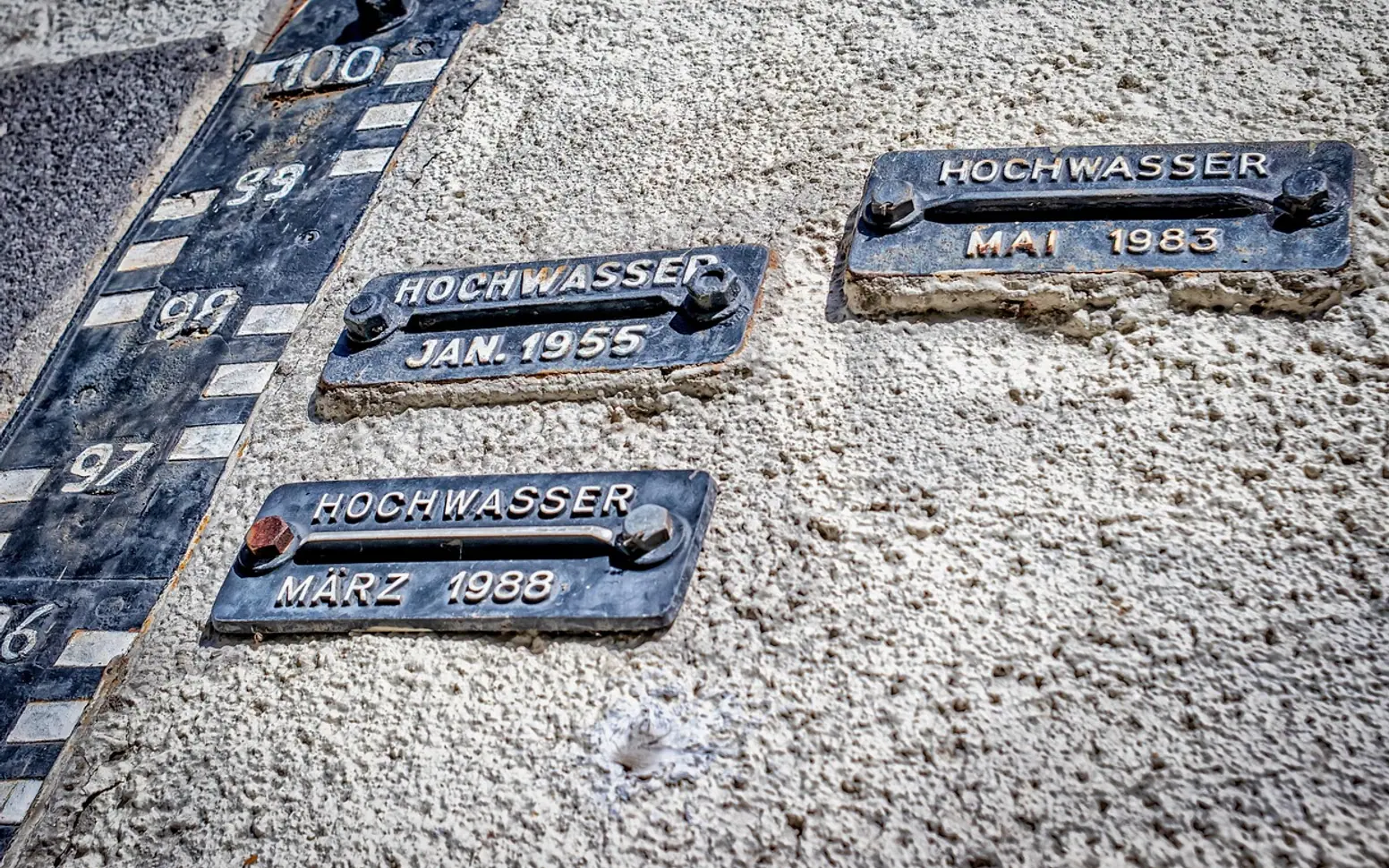
Water rarely announces itself politely. It arrives as a hiss behind a washing machine, a dark patch spreading across a ceiling or a basement step that suddenly squelches. The minutes after discovery feel chaotic, yet the recovery that follows can be calm and methodical if the right things happen in the right order.
The first hour: stop, protect, record
Your priorities in the first hour are simple, even if the scene is not:
- Stop the source. Close the main water valve or the valve serving the leaking appliance.
- Make it safe. Treat any water close to outlets or the breaker box as live; cut the power at the breaker only when you can reach it from a dry spot, otherwise wait for an electrician.
- Move what you can. Lift rugs, electronics, documents and photographs to a dry room.
- Take pictures. Wide shots of each room and close-ups of damage help with insurance and planning.
- Call for help. Contact a restoration company and your insurer as early as possible.
Why speed makes such a difference
Water does not stay where it lands. It climbs into drywall, soaks into baseboards and slips beneath flooring into subfloors and insulation. The longer it sits, the more material absorbs it and the more likely hidden pockets of damp become a home for mould. Prompt extraction keeps the affected area small, which usually means less removal of building materials and a shorter disruption for the household.
This is why many homeowners turn to specialists straight away. Professional Water damage restoration teams arrive with pumps, extraction units, drying equipment and the experience to judge where water has travelled, turning an alarming mess into an organised plan.
Measuring before drying
Good restorers work from readings rather than guesswork. Moisture meters check walls, floors and timber; thermal cameras show cool areas where evaporation is happening behind paint or tiles. Those findings decide where air movers and dehumidifiers go and how long they run. Equipment placed according to measurements dries a structure more evenly and avoids leaving damp patches that cause trouble months later.
Crews keep taking readings throughout the job, so you can see progress in numbers rather than relying on whether a wall feels dry to the touch.
Keeping the household safe
Where needed, technicians seal off work areas with sheeting and use air filtration to keep dust and spores away from rooms that are still in use. Electrical safety is checked before equipment is plugged in. Water from sewage backups or outside flooding is treated as contaminated, and porous items it touched are often discarded rather than cleaned. Families with young children, older relatives or anyone with breathing problems should mention this early so the plan can account for them.
Finishing well
A restoration ends when materials reach normal moisture levels, not when the fans go quiet. Final checks, a clear record of readings and a tidy handover to any builders or decorators make the difference between a repair that lasts and one that lets damp return. After that, a few preventive habits help: know where your main shut-off valve is, check appliance hoses now and then, and keep gutters clear before the wet season.
What is new in each topic
Tell us what you think.
Suggestions help us plan.