Smart Containers: The Future of Waste Management and Recycling
| Filed | Takes | Updated |
|---|---|---|
| 2 min read |
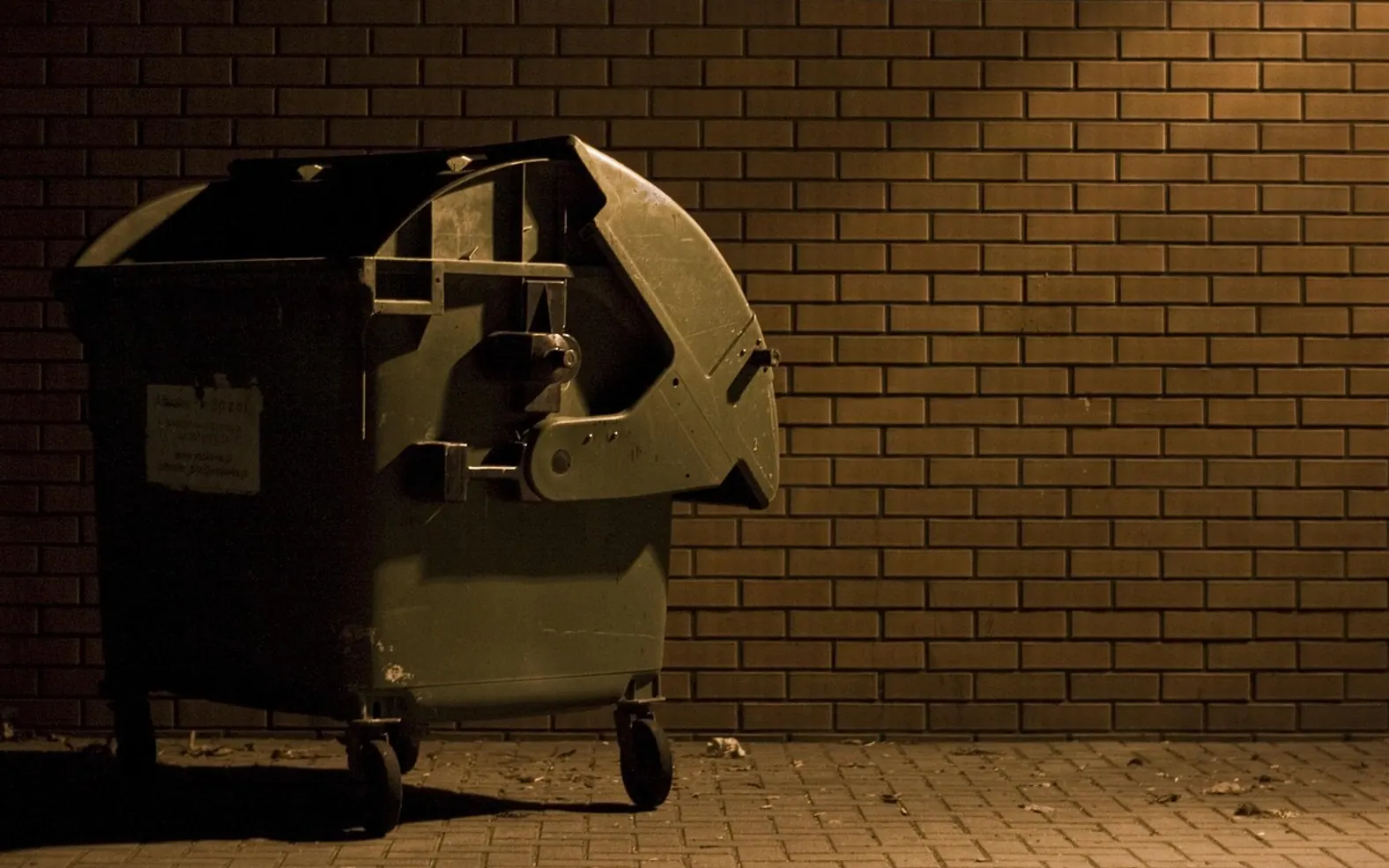
Most people only think about a bin when it is overflowing. Collection crews face the opposite problem: driving set routes on fixed days and emptying containers that are barely a quarter full, while a bin two streets away spills onto the pavement. Smart containers aim to close that gap by letting the bin itself report what is going on inside it.
How a container becomes "smart"
The core is a small sensor unit, often mounted under the lid. Ultrasonic or infrared sensors measure the distance to the top of the waste, which gives a fill level. Some units add temperature sensors to flag possible fires, tilt sensors to confirm when a bin has been emptied, or GPS to track containers that move between sites. The readings travel over a mobile or low-power wireless network to software that collection teams can check on a map.
Other designs go further, with built-in compactors powered by small solar panels, or chutes that only open for a particular type of material.
What changes for collection
- Routes follow demand. Instead of a fixed timetable, trucks visit the containers that actually need emptying.
- Fewer wasted trips. Less driving means lower fuel use, less noise and less congestion on residential streets.
- Problems surface early. A container that fills unusually fast, or one that has stopped reporting, shows up on the dashboard before anyone complains.
- Planning improves. Over time, the data shows where more capacity is needed and where bins can be removed.
Better sorting, cleaner recycling
Recycling works best when materials arrive clean and separated. Some smart systems help by identifying the user, reading what is deposited or giving feedback on a screen when something lands in the wrong compartment. Even simpler systems help indirectly: when containers are emptied before they overflow, people are less likely to leave bags beside them or toss recyclables in with general waste.
The same thinking is spreading to construction and renovation waste, where rubble, wood and metals have very different destinations. Local services that handle bauschutt entsorgen Hanau show how clearly separated skips for building debris make it easier for materials such as concrete and brick to be processed and reused rather than simply dumped.
Limits worth keeping in mind
Smart containers are not a cure-all. Sensors need power, maintenance and a reliable signal, and a unit buried under a pile of bulky waste may give a misleading reading. Software only helps if collection teams have the flexibility to change routes. Where systems identify individual users, questions about data protection need clear answers. And no sensor can replace the basic habit of putting the right item in the right container.
What households can do now
- Learn the local sorting rules and follow them, even if the bin cannot check.
- Flatten boxes and rinse containers so capacity is used well.
- Report damaged or overflowing public bins through the council's usual channels.
- For renovation work, book a container suited to the material rather than mixing everything together.
Connected bins make waste systems more responsive. Combined with careful sorting at home and on building sites, they offer a practical step towards streets that stay cleaner and materials that get a second life.
What is new in each topic
Tell us what you think.
Suggestions help us plan.