
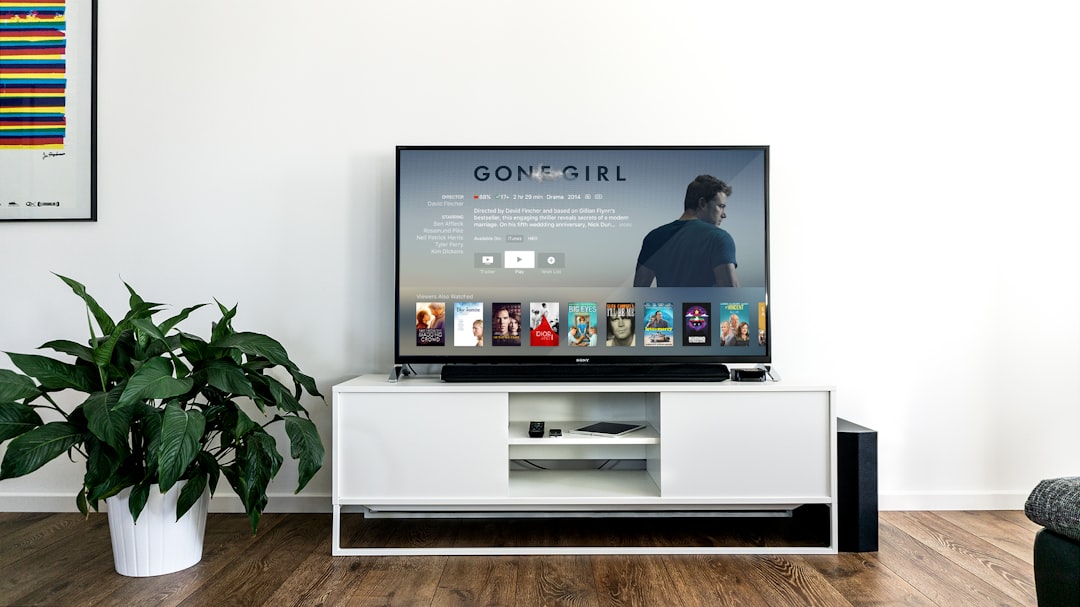
France is entering a new era of television, and IPTV is becoming one of the most important forces behind that shift. As viewing habits move away from rigid broadcast schedules and toward on-demand, multi-device entertainment, IPTV in France is no longer a niche solution for early adopters. It is increasingly part of the mainstream digital landscape. With strong fiber deployment, expanding 5G coverage, smart home adoption, and rising expectations for personalized content, the French market is well positioned for sustained IPTV growth. For consumers, this means more flexibility and better value. For providers, it opens the door to innovation, service differentiation, and stronger customer loyalty in a highly competitive media environment.
Why IPTV Is Gaining Momentum in France
The rise of IPTV in France is closely linked to the country’s strong digital infrastructure. Over the past decade, France has invested heavily in high-speed broadband, especially fiber optic networks. That matters because IPTV relies on stable, fast internet connections to deliver live TV, replay content, and video on demand without the limitations of traditional cable or satellite systems.
French consumers are also changing the way they watch television. Instead of gathering around a single screen at a fixed time, viewers increasingly expect access across smart TVs, smartphones, tablets, and laptops. They want to pause, rewind, replay, and choose content according to their schedule. IPTV answers these expectations directly by combining convenience, interactivity, and a wider content experience.
Another reason for the growth of IPTV is the increasing fragmentation of media consumption. Audiences now combine local channels, international programming, sports, films, documentaries, and niche entertainment. IPTV platforms are especially attractive because they can bring these preferences together in one connected environment. For many households, that convenience is becoming more valuable than the traditional idea of channel surfing.
In practical terms, IPTV also fits well with modern subscription habits. French users are already comfortable paying monthly for digital services, whether for music, cloud storage, cinema, or streaming platforms. IPTV aligns naturally with this model by offering flexible packages and a more user-centered entertainment experience.
The Technology Trends Powering IPTV’s Expansion
The bright future of IPTV in France is not driven by consumer demand alone. It is also supported by a powerful mix of technology trends. Faster internet speeds, better compression technologies, cloud-based delivery systems, and improved app ecosystems have all made IPTV more reliable and more accessible than before.
Fiber broadband remains the most significant advantage. With higher bandwidth and lower latency, French households can enjoy higher-resolution streams, more stable live viewing, and improved performance across multiple connected devices at once. This is especially important as 4K content becomes more common and users expect seamless performance.
At the same time, 5G is starting to extend IPTV possibilities beyond the home. Mobile viewing is becoming a central part of the entertainment experience, especially among younger demographics and urban users. As 5G networks mature across France, IPTV services can deliver smoother live streaming and lower buffering on the move, making television even more portable and immediate.
Smart TV adoption is another key factor. Modern televisions increasingly operate as connected entertainment hubs rather than simple display screens. This creates an ideal environment for IPTV apps and services, making setup easier and reducing technical barriers for average users. For households seeking flexible, internet-based viewing options, services such as IPTV Premium reflect the kind of streamlined access that aligns with current consumer expectations.
These technical developments create a strong foundation for future growth. As platforms become faster, more intuitive, and better integrated with home ecosystems, IPTV will continue to feel less like an alternative and more like the default format for digital television in France.
What French Viewers Expect from Modern IPTV Services
French audiences are increasingly selective, and this is shaping the future of IPTV. Viewers no longer compare services only by the number of channels available. They also evaluate usability, reliability, personalization, and overall experience. That shift is pushing IPTV providers to improve on multiple fronts.
- Content variety: Users want local channels, international programming, premium films, sports, and children’s content in one place.
- Ease of use: Clean interfaces, simple navigation, and quick access to favorites matter as much as content itself.
- Device compatibility: People expect IPTV to work across smart TVs, phones, tablets, and streaming devices without friction.
- High-quality streaming: Stable HD and 4K delivery is increasingly seen as a basic standard rather than a premium feature.
- Personalization: Recommendations, watch history, and user profiles help platforms feel more relevant and engaging.
These expectations show that IPTV in France is evolving into a service-driven market. The winning platforms will not only deliver content but also create an experience that feels tailored, responsive, and dependable. This is particularly important in a digital landscape where users can quickly switch between providers if quality drops or interfaces become frustrating.
There is also a cultural dimension. France has a strong appreciation for both domestic media and international entertainment. IPTV platforms that respect local viewing habits while also expanding access to global content can occupy a powerful position. The future belongs to providers that understand this balance and build services around real viewer behavior rather than outdated broadcast assumptions.
Regulation, Competition, and the Long-Term Outlook
No discussion about the future of IPTV in France is complete without mentioning regulation and market maturity. As the sector grows, legitimacy, transparency, and compliance will play a bigger role in shaping consumer trust. French users are becoming more informed about digital services, and they increasingly value providers that offer dependable access, clear subscription models, and responsible operations.
Competition will also intensify. Telecom operators, streaming platforms, connected TV ecosystems, and specialized IPTV services are all competing for attention. This may seem challenging for providers, but it is also healthy for the market. Competition typically leads to better interfaces, more attractive packages, stronger technical performance, and more innovation in content delivery.
Looking ahead, IPTV in France is likely to benefit from several long-term trends:
- Continued fiber expansion in urban and rural areas, making high-quality streaming available to more households.
- Greater integration with smart home ecosystems, including voice control and cross-device synchronization.
- Improved AI-driven personalization, helping viewers discover relevant content faster.
- More hybrid entertainment models that combine live TV, replay, on-demand libraries, and interactive features.
As these trends converge, IPTV will become an even more central part of France’s digital economy. It has the potential to reshape not only how television is consumed, but also how media brands engage with audiences in a connected, data-driven environment. The future is not simply about replacing old broadcasting systems. It is about creating a more flexible and intelligent form of television.
The outlook for IPTV in France is undeniably strong. Supported by advanced infrastructure, changing consumer habits, and rapid technological progress, IPTV is set to play a defining role in the country’s digital landscape. As viewers seek more control, better quality, and broader access to content, IPTV stands out as a natural evolution of television. For providers and consumers alike, the years ahead look promising, and the sector’s brightest opportunities are still unfolding.