
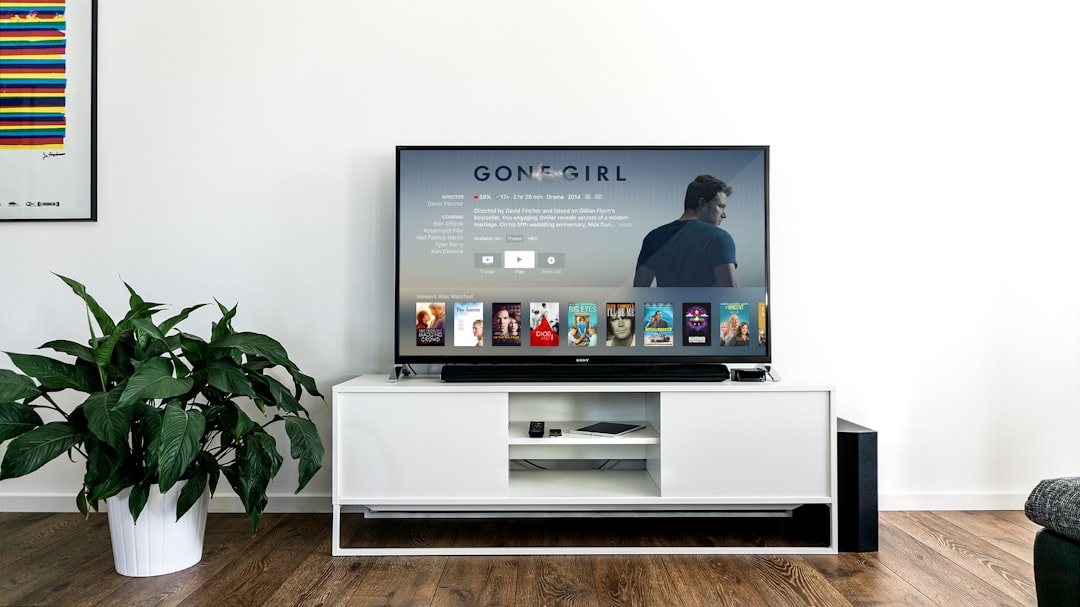
Belgium’s television habits are changing fast. For decades, cable was the default choice for households that wanted reliable access to news, sport, films, and local programming. Today, that model is being challenged by IPTV, a more flexible way of watching television through an internet connection. As broadband speeds improve and viewers expect more control over what, when, and where they watch, IPTV is becoming a serious part of the Belgian media landscape. This shift is not simply about replacing one technology with another. It reflects a broader move toward smarter streaming, personalised viewing, and digital convenience that better fits modern lifestyles.
Why Belgian viewers are moving beyond cable
Traditional cable still has strengths, especially for viewers who value familiarity and simple channel access. Yet its limitations are becoming harder to ignore. Fixed channel packages, hardware dependencies, and limited on-demand flexibility no longer match the expectations of households used to streaming platforms and mobile apps. Belgian consumers increasingly want content that works around their schedule rather than the other way around.
IPTV answers that demand by delivering television over internet protocol instead of relying on older broadcasting infrastructure. In practical terms, this often means viewers can access live TV, replay features, movies, and series from smart TVs, tablets, phones, and streaming devices. For many families, that convenience is a major upgrade. Instead of being tied to one set-top box in one room, entertainment becomes available across the home and on the move.
The shift is also influenced by changing demographics. Younger viewers are less attached to fixed schedules and more comfortable with app-based experiences. At the same time, older viewers are gradually embracing connected TVs and simplified digital interfaces. In a multilingual country like Belgium, where audiences may consume Dutch, French, English, and international content, flexibility matters even more. IPTV supports broader discovery and allows users to build a viewing experience that reflects their real preferences.
What makes IPTV a smarter streaming option
The appeal of IPTV is not only cost or novelty. Its biggest advantage is intelligence. Cable delivers channels in a mostly linear format, while IPTV can combine live television with on-demand catalogues, pause-and-replay functions, recommendations, and multi-device access. That makes the entire viewing experience feel more responsive and more personal.
Smart streaming is built on control. Viewers can start a programme when it suits them, switch between devices, and often access a broader range of content types in one place. This is especially important in households where different people want different things: live sport for one person, children’s content for another, and international drama for someone else. IPTV platforms are well suited to that kind of fragmented demand.
Another factor is integration. IPTV works naturally within the wider digital ecosystem of modern homes. Smart TVs, voice assistants, streaming boxes, and mobile apps all contribute to a smoother experience. Instead of managing separate systems for television and internet-based entertainment, users can access both through a more unified interface. Services such as IPTV Belgie reflect how the market is adapting to consumers who want streaming to be accessible, efficient, and tailored to everyday viewing habits.
Importantly, smarter streaming also changes expectations around quality. Belgian viewers now expect sharp image resolution, stable playback, intuitive navigation, and quick content discovery. IPTV providers that deliver reliable performance and well-organised libraries are better positioned to meet those standards than traditional systems designed for a previous era of television consumption.
Belgium’s digital infrastructure is accelerating the transition
Belgium is well placed for IPTV growth because its digital infrastructure continues to improve. High-speed internet access is more widely available than it was even a few years ago, and consumers are becoming more confident in streaming high-quality video over home networks. As fibre deployment expands and households invest in stronger Wi-Fi setups, IPTV becomes a more practical everyday solution rather than a niche alternative.
The Belgian market also has unique characteristics that make IPTV attractive. Media consumption is split across regions and languages, and viewers often seek both local channels and international programming. Cable packages may not always align with those varied preferences. IPTV, by contrast, is better suited to offering diverse content choices and a more customised experience.
There is also a cultural shift underway. People no longer think of television as something limited to the living room at a fixed hour. They expect continuity across devices and immediate access to content. That expectation has been shaped by global streaming services, but IPTV adds the live TV component that many viewers still value. In Belgium, where traditional broadcasting remains relevant, that hybrid model is especially compelling.
Businesses are noticing the same trend. Hospitality venues, expatriate communities, and digitally savvy households are increasingly interested in flexible television solutions that offer broader access without the rigidity of older cable contracts. This broadening use case suggests that IPTV is not a temporary disruption but part of a long-term restructuring of how television is delivered and consumed.
How consumers can choose IPTV wisely
As interest grows, consumers need to evaluate IPTV options carefully. The first consideration is reliability. A good service should offer stable streams, responsive interfaces, and compatibility with common devices. Poor performance quickly undermines the benefits of flexibility, so network quality and service consistency matter as much as the content list.
The second consideration is relevance. Belgian viewers should look for services that fit their language needs, channel preferences, and device habits. Some households prioritise local news and sports, while others focus on international entertainment or family-friendly programming. Choosing a provider that aligns with actual usage is more valuable than simply chasing the largest possible catalogue.
Consumers should also pay attention to usability. An IPTV service should be easy to navigate, simple to install, and straightforward for all members of the household. Features such as electronic programme guides, replay, search tools, and device synchronisation can make a significant difference in day-to-day satisfaction.
Finally, legality and transparency are essential. As IPTV becomes more popular, the market includes both reputable services and questionable offerings. Users should favour providers that are clear about what they offer, how the service works, and what level of support is available. In a fast-growing sector, trust is a competitive advantage.
Belgium’s move from cable to IPTV is really a move toward smarter, more adaptable television. Viewers want flexibility, broader content access, and technology that fits naturally into connected daily life. Cable helped define an earlier generation of home entertainment, but IPTV is better aligned with how people now watch. As infrastructure improves and consumer expectations continue to rise, smarter streaming is not just an option in Belgium. It is steadily becoming the new standard.